Pennsylvania is full of famous stops, from bustling cities and charming small towns to quiet mountain communities, but some of its most surprising places are tucked away on back roads, behind unassuming buildings, or deep in the woods. These unusual spots reveal a different side of the state, one filled with strange history, quirky collections, forgotten ruins, mysterious landmarks, and natural wonders that can feel almost unreal. Some are easy to miss if you do not know where to look, while others have fascinating stories that make them well worth seeking out.
Visiting these places can turn an ordinary weekend drive into an unexpected adventure and make a familiar part of Pennsylvania feel brand new, even for people who have lived here their whole lives. If you enjoy odd stories, hidden paths, forgotten corners, and destinations that make you stop and think, “Wait, how did I not know about this?” Pennsylvania has plenty to keep you curious and plenty of unexpected places left to discover.
1. Experience the Strange Road at Gravity Hill in Bedford County
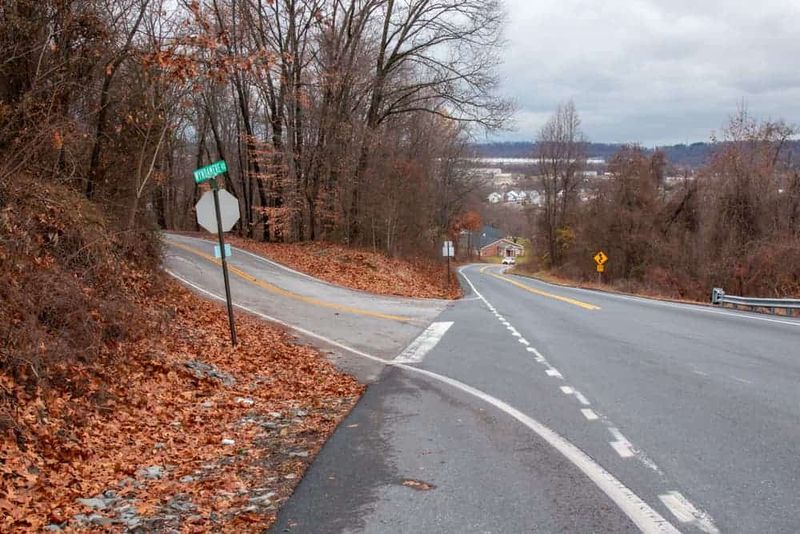
A car seems to roll uphill here, and that is enough to make almost anyone check their brakes twice.
Gravity Hill in Bedford County is one of those odd Pennsylvania roadside stops that feels simple at first, then turns into a story you will repeat for years.
The trick is usually explained as an optical illusion.
The land around the road slopes in a way that confuses your eyes, so a downhill stretch can look like it is rising.
Still, when your vehicle appears to move against gravity, the science does not make the moment any less fun.
Visitors often bring a ball, bottle of water, or small toy car to test the effect.
If you go, choose a quiet time, pull fully off the road when needed, and stay aware of traffic.
This is still a public road, not a theme park attraction.
Part of the charm is how low-key it feels.
There are no flashing signs or long lines, just a peaceful country setting and a strange little mystery.
Bedford County also has covered bridges, small towns, and pretty views, so the stop can fit into a relaxed day trip.
Families like it because the experience is quick, free, and easy to understand.
Friends like it because everyone wants to guess what is really happening.
Locals may know the legend, but many are still surprised by how convincing the illusion feels in person.
For the best visit, read directions before you lose service, bring patience, and do not block driveways.
The magic works best when you slow down, look carefully, and let Pennsylvania’s countryside play a friendly trick on your brain.
2. Explore the Mysterious Pennhurst Asylum in Spring City
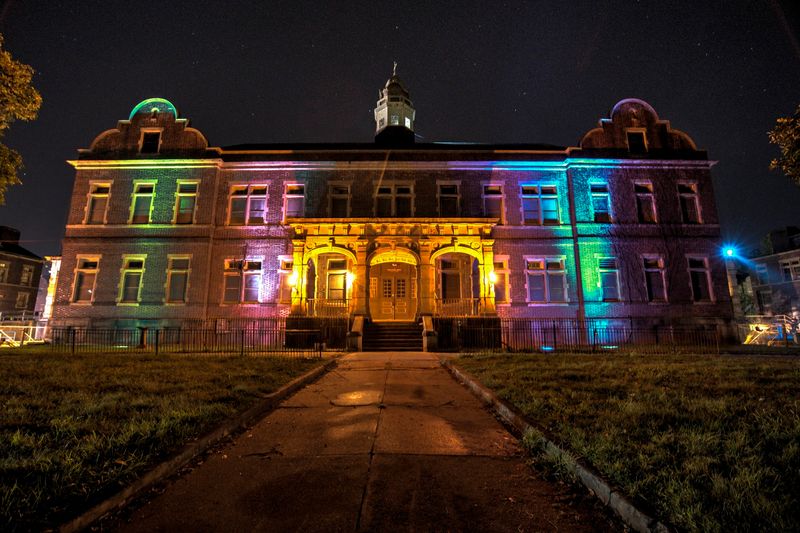
Few places in Pennsylvania carry a heavier feeling than the old grounds of Pennhurst.
The buildings in Spring City look dramatic and eerie, but the real story is not just about ghosts.
It is also about people, history, and how society treated those who needed care.
Pennhurst opened in the early 1900s as a state school and hospital for people with intellectual and developmental disabilities.
Over time, it became known for overcrowding and poor conditions.
Reports and lawsuits helped change disability rights in the United States, making the site historically important.
Today, visitors may know Pennhurst through haunted attractions, paranormal events, and guided tours.
The spooky side draws attention, yet the most meaningful visits happen when guests remember the human stories behind the walls.
It is a place where curiosity should come with respect.
If you plan to go, check the official schedule because access changes by season and event.
Do not try to enter closed buildings or wander onto restricted areas.
Old sites can have unsafe floors, broken glass, and other hazards.
The architecture is part of what makes the property so striking.
Long brick buildings, quiet corridors, and weathered details create a scene that feels frozen in time.
Photographers often find the textures fascinating, especially during fall or cloudy weather.
Pennhurst is surprising because it mixes fear, education, and reflection in one visit.
Some guests come for chills, while others leave thinking about fairness, care, and dignity.
That combination makes it one of Pennsylvania’s most unforgettable historic sites.
3. Walk Through the Abandoned Tunnels of the Pennsylvania Turnpike
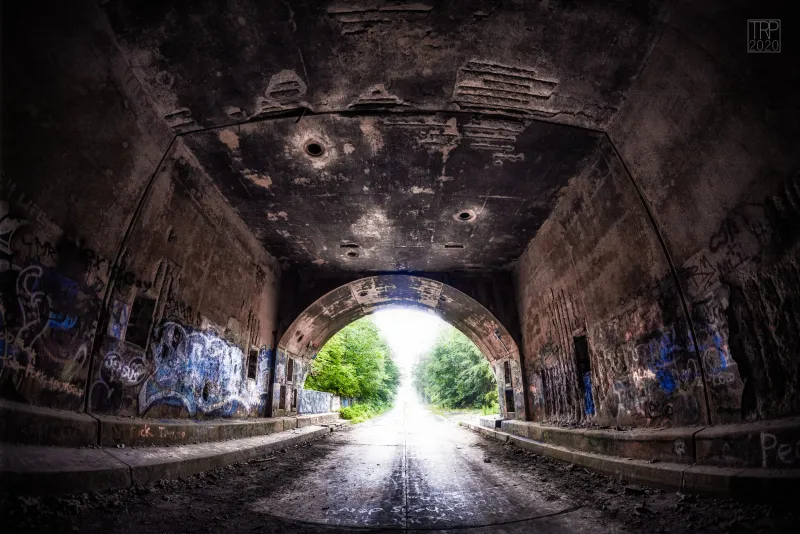
An empty highway disappearing into a dark mountain tunnel sounds like a movie scene, but Pennsylvania has the real thing.
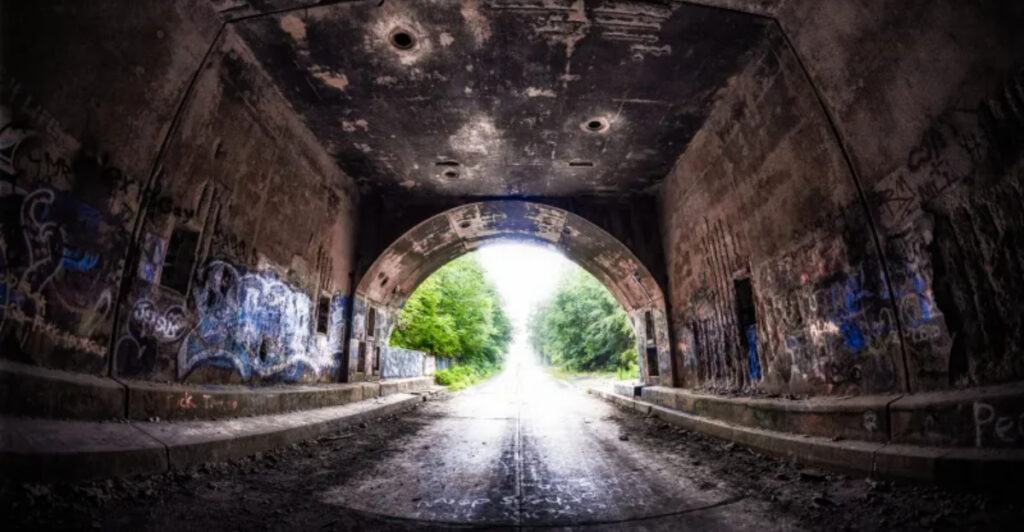
The Abandoned Pennsylvania Turnpike near Breezewood lets visitors walk or bike on pavement once used by speeding cars and trucks.
This stretch was bypassed in the 1960s when traffic outgrew the old route.
Instead of removing everything, parts of the road and several tunnels were left behind.
Today, the area feels like a strange mix of transportation history, outdoor adventure, and urban exploration.
The most famous features are the long tunnels, including Sideling Hill and Rays Hill.
Inside, the air gets cooler, sounds echo, and daylight slowly fades behind you.
A strong flashlight is not optional, because some tunnel sections are very dark.
Comfortable shoes matter here.
The route can be long, rough, and exposed to weather, with cracked pavement and uneven spots.
Bikers should bring lights, helmets, and basic repair gear, while walkers should carry water and allow plenty of time.
Graffiti covers many tunnel walls, giving the space a gritty, modern look.
Some people love the colors, while others prefer to imagine the road as it was decades ago.
Either way, the place has a personality that is hard to copy.
Respect the area by packing out trash and staying alert.
Cell service can be weak, and the tunnels may feel isolated.
For Pennsylvanians who think they know the Turnpike well, walking its forgotten lanes is a wonderfully strange way to see road history from a new angle.
4. Discover the Forgotten Remains of Centralia
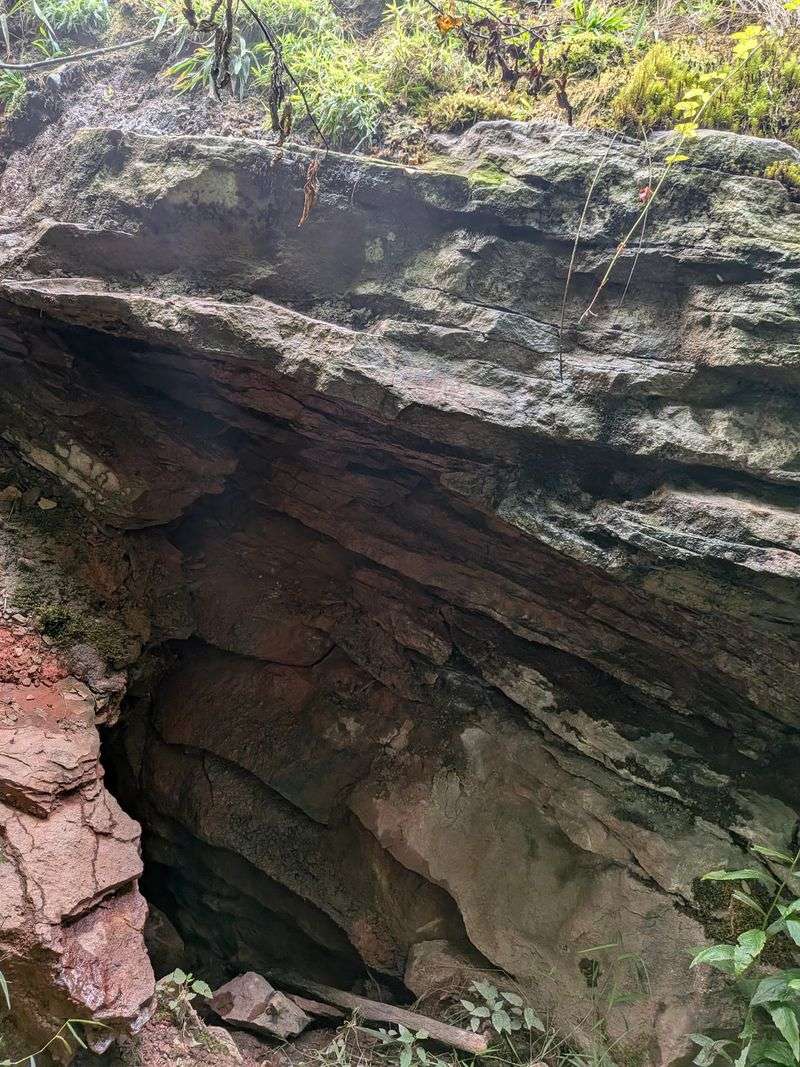
Smoke once rising from the ground made Centralia feel almost unreal.
This former coal town in Pennsylvania became famous because of an underground mine fire that started in 1962 and still burns beneath the area today.
Most residents eventually left, and many buildings were removed.
What remains is not a normal tourist town with gift shops and tidy displays.
It is a quiet, unusual landscape where empty streets, closed-off areas, and warning signs tell a powerful story.
The fire began in a coal mining region where tunnels and fuel ran under the community.
Once the blaze spread underground, it became extremely hard to stop.
Centralia’s story is often used to explain the lasting effects of mining, land use, and environmental risk.
Visitors should be careful and respectful.
Some land is private, and certain areas can be dangerous because of unstable ground, gases, or heat.
Follow posted signs, avoid trespassing, and do not treat the place like an amusement park.
Many people remember the former Graffiti Highway, but that road was covered over to reduce unsafe crowds.
Even without it, Centralia remains fascinating because of what is missing.
The empty feeling says as much as any landmark could.
A visit pairs well with learning about Pennsylvania’s anthracite coal region, nearby towns, and mining museums.
Centralia is not cheerful, but it is unforgettable.
Locals may know the name, yet standing there brings a different understanding of how one underground fire changed a whole community.
5. Browse the Quirky Collections at The Stoogeum

A museum devoted to eye pokes, slapstick, and classic comedy might sound like a joke, but The Stoogeum takes its subject seriously in the best way.
Located in Ambler, this Pennsylvania museum celebrates The Three Stooges with a collection that is far bigger than most visitors expect.
Inside, you can find posters, costumes, props, photos, toys, and rare items connected to the famous comedy team.
The displays show how Moe, Larry, Curly, and the other Stooges became part of American pop culture.
Even people who only know a few clips may be surprised by the depth of the collection.
The museum is especially fun because it does not feel like a standard history stop.
Bright graphics, funny faces, and odd collectibles keep the mood playful.
At the same time, there is plenty to learn about early film, television, fan culture, and entertainment history.
Hours can be limited, so check before making the trip.
The Stoogeum is often open on select days, and planning ahead will save disappointment.
Fans may want extra time because there is a lot to read and notice.
Parents and grandparents often enjoy sharing memories here, while younger visitors get a look at comedy before internet videos and streaming shows.
The humor is old-school, loud, and silly, which is exactly the point.
What makes The Stoogeum special is its loving attention to one very specific topic.
Pennsylvania has many serious museums, but this one reminds visitors that laughter also deserves a place in history.
It is weird, focused, and genuinely delightful.
6. Wander Among the Stone Circle at Columcille Megalith Park
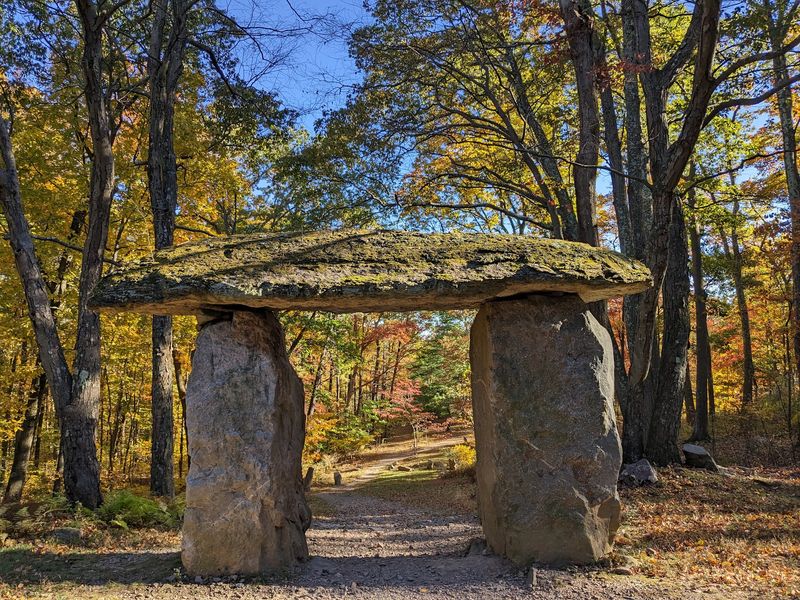
Large stones standing in a quiet Pennsylvania field can make you feel like you stepped into an ancient legend.
Columcille Megalith Park near Bangor offers a peaceful place to walk, think, and enjoy a landscape inspired by Celtic traditions.
The park was created as a spiritual and artistic space, not as an ancient ruin.
Its standing stones, paths, and small features are arranged to encourage reflection.
Visitors often compare the mood to places in Ireland or Scotland, even though the setting is clearly in eastern Pennsylvania.
Walking here is slow by design.
You can follow paths through meadows and woods, pause near stone circles, and notice how the light changes across the rocks.
It is a good choice for people who want something quiet instead of crowded or loud.
Because the park has a reflective purpose, respectful behavior matters.
Keep voices low, stay on paths when asked, and treat the stones with care.
Some guests come for prayer or meditation, while others simply enjoy the unusual beauty.
Comfortable shoes are helpful, especially after rain.
The ground may be uneven, and the experience is mostly outdoors.
Bring a camera, but also take time to put it away and enjoy the stillness.
Columcille surprises many locals because it feels far removed from everyday Pennsylvania.
There are no roller coasters or flashy exhibits, just stone, grass, sky, and a sense of calm.
For travelers who like hidden places with meaning, it is one of the state’s most memorable quiet escapes.
7. Discover the Massive Collection at American Treasure Tour Museum
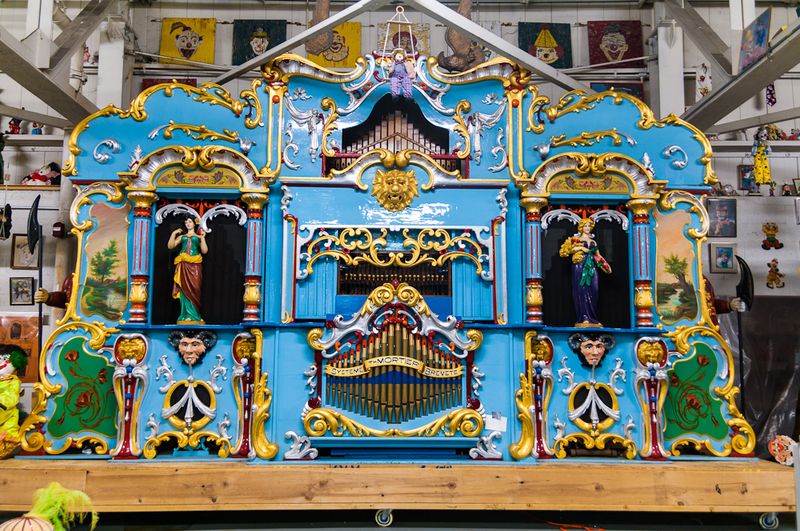
Imagine someone saved every fun, shiny, musical, and nostalgic thing they could find, then placed it all under one roof.
That is the feeling at the American Treasure Tour Museum in Oaks, where the collection seems to keep going and going.
This museum is packed with Americana, including classic cars, neon signs, music machines, old advertisements, dollhouses, toys, and more.
Many visitors ride through part of the collection on a tram, which makes the huge space easier to take in.
It feels part museum, part time capsule, and part treasure hunt.
One highlight is the collection of mechanical music machines.
Player pianos, band organs, and other devices show how people enjoyed music before phones, speakers, and playlists.
Hearing some of them play can be a real treat.
The museum works well for mixed-age groups because everyone tends to spot something familiar.
Grandparents may point out items from childhood, parents may recognize signs or cars, and kids often enjoy the colors and movement.
It is not a quiet, dusty experience.
Planning ahead is smart because tours may run at set times.
Check ticket details and allow more time than you think.
The building holds so much that rushing through can feel overwhelming.
What makes this place surprising is the scale.
Pennsylvania has many museums, but few feel this packed with cheerful oddities.
American Treasure Tour Museum turns collecting into an adventure, reminding visitors that everyday objects can become fascinating when gathered with passion, care, and a little bit of joyful excess.
8. Explore the Historic Bunkers of Alvira
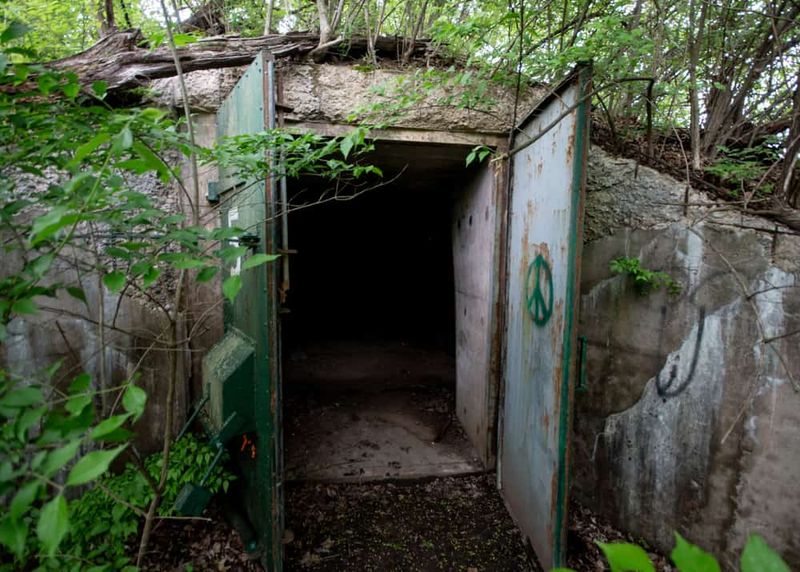
Hidden in the woods near Allenwood, rows of old concrete bunkers tell a story many Pennsylvanians never learned in school.
The historic bunkers of Alvira are tied to World War II, when the federal government took over local farmland to build a munitions storage site.
Before the bunkers, Alvira was a small village with homes, farms, a church, and a cemetery.
Families were forced to leave so the land could be used for the war effort.
That history gives the area a quiet sadness beyond its military past.
The bunkers were designed to store explosives safely, with thick walls and earth-covered shapes that helped contain blasts.
Today, many remain as silent concrete forms scattered through the landscape.
Some are easy to see from paths or roads in the area.
Visitors should remember that the site is not a playground.
Rules and access can change, and some areas may be restricted.
Stay on allowed routes, follow signs, and do not try to break into sealed structures.
Alvira is especially interesting for people who like history in the landscape rather than behind glass.
You can imagine the farms that once stood there, the wartime urgency that changed everything, and the families who never returned home in the same way.
A trip to the bunkers can be paired with nearby outdoor areas in central Pennsylvania.
Bring good shoes, water, and curiosity.
The place is surprising because it shows how a global war reached into one small Pennsylvania community, leaving behind concrete reminders in the trees.
9. Make Music With the Rocks at Ringing Rocks County Park
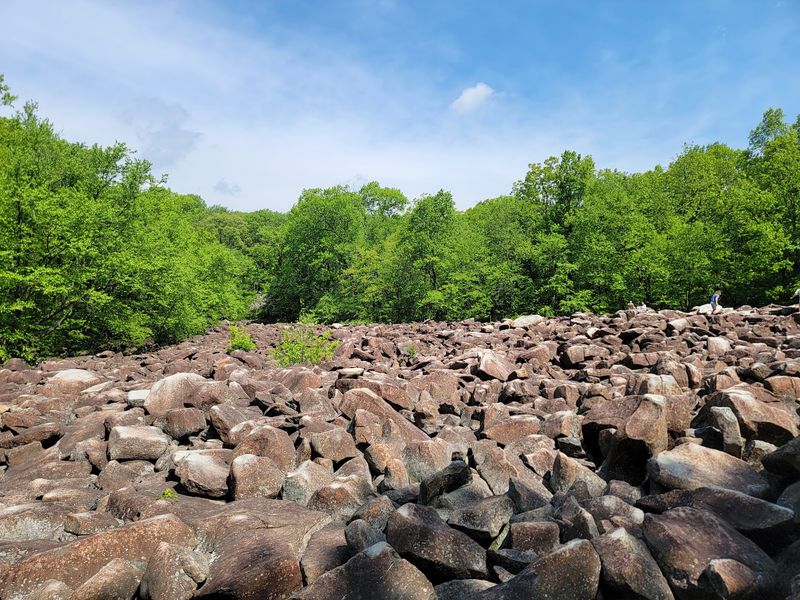
Some rocks sit quietly.
Others ring like bells when struck, and Ringing Rocks County Park in Bucks County has a whole field of them.
Bring a small hammer, and the boulder field turns into one of Pennsylvania’s strangest natural concerts.
The park’s famous rocks make metallic tones because of their unique makeup and structure.
Not every rock rings the same way, so part of the fun is testing different boulders and listening closely.
The sound can be clear, dull, high, or low.
Wear sturdy shoes because walking across the boulder field takes balance.
The rocks are uneven, and gaps between them can catch careless feet.
Young children should be watched closely, and everyone should move slowly instead of hopping around.
A hammer is helpful, but use it with care.
Tap lightly, avoid damaging the rocks, and be mindful of people nearby.
The goal is to hear the sound, not smash the landscape.
The park also has a waterfall trail, which adds another reason to visit.
After exploring the ringing boulders, a short hike can lead to a quieter natural scene.
Water levels change with weather, so the waterfall may look different from one trip to the next.
Ringing Rocks surprises locals because it feels like a science lesson, music class, and hike all at once.
It is hands-on without being artificial.
In a state full of forests and stone, this Bucks County spot proves that even ordinary-looking rocks can have a hidden voice.
10. Visit Trundle Manor, Pittsburgh’s Quirky Private Museum
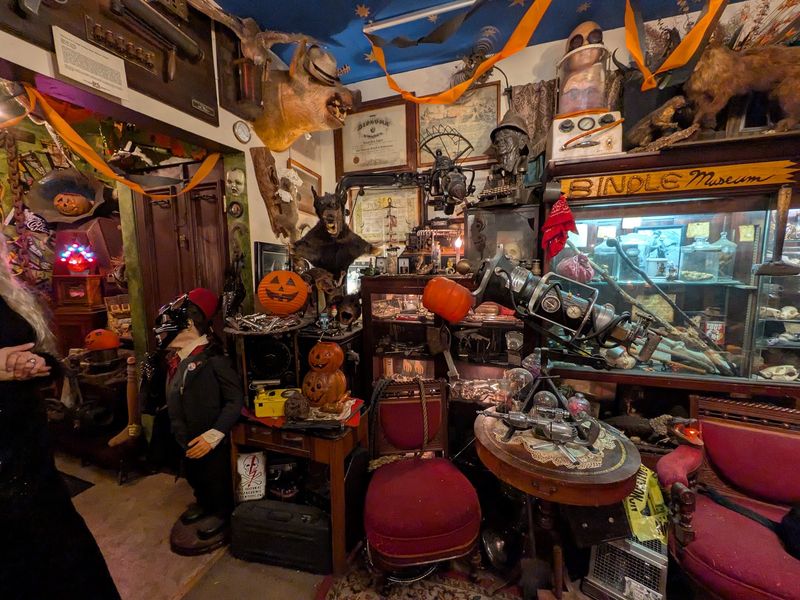
If your idea of fun includes strange antiques, odd creatures, and a sense of humor with sharp teeth, Trundle Manor in Pittsburgh will feel like a secret clubhouse.
This private museum is packed with unusual objects that are creepy, funny, and fascinating all at once.
The collection includes taxidermy, medical items, vintage devices, bizarre art, and curiosities that do not fit neatly into normal museum categories.
Every shelf seems to hold something unexpected.
Visitors often spend as much time laughing as they do staring in disbelief.
Because Trundle Manor is private, visits usually require an appointment.
Do not simply show up and expect to walk in.
Check the official instructions, follow booking rules, and be respectful of the hosts and the neighborhood.
The mood is playful, but some items may be too intense for very young children or sensitive visitors.
Older teens and adults who enjoy oddity shops, spooky decor, or unusual history will likely appreciate it most.
Think curious, not polished.
What makes the place stand out is its personality.
Unlike large museums with quiet halls and formal labels, Trundle Manor feels personal and proudly weird.
The collection reflects passion, humor, and a love for things most people would walk past.
Pittsburgh has major museums, sports venues, and beautiful overlooks, but this small spot offers something completely different.
It reminds visitors that Pennsylvania’s cultural scene includes independent collectors and offbeat storytellers.
For anyone tired of predictable attractions, Trundle Manor is a wonderfully strange stop.
11. Explore the Underground Tunnels at Old Economy Village in Ambridge
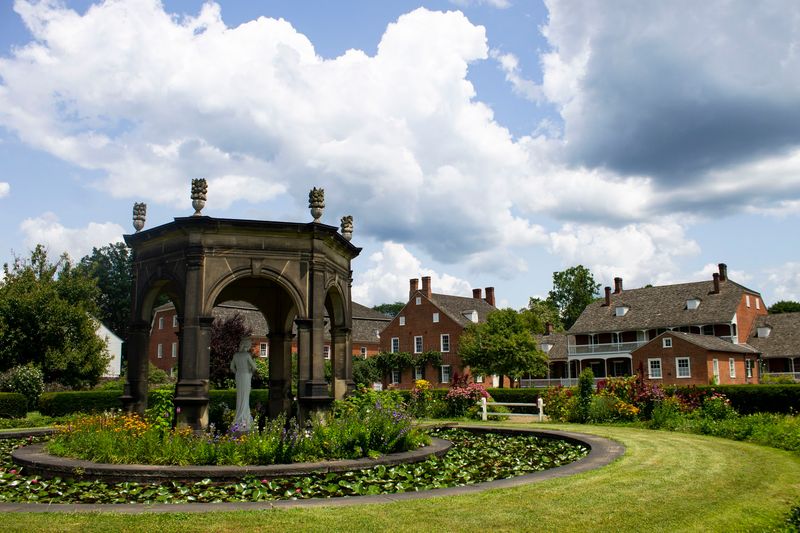
Beneath the calm streets of Ambridge, history has a hidden layer.
Old Economy Village preserves the story of the Harmony Society, a religious group that built a carefully planned community in western Pennsylvania during the 1800s.
The village includes historic homes, workshops, gardens, and buildings that show how the community lived and worked.
The Harmony Society became known for industry, organization, and craftsmanship.
Their settlement was not just a few houses, but a working village with big ideas.
One of the most surprising features is the underground tunnel system connected to the site’s history.
Visitors are often intrigued by the idea of passages beneath such orderly buildings.
Access may depend on tours, preservation needs, and safety rules, so check details before visiting.
Guided tours help bring the village to life.
Without context, an old building is just an old building.
With a good guide, you begin to understand the people, beliefs, work routines, and choices that shaped the place.
The gardens are also worth time, especially in warmer months.
They soften the brick and stone setting and show how beauty and usefulness were both valued.
Bring comfortable shoes because the site rewards slow walking.
Old Economy Village surprises people because it is calm on the surface but rich underneath, both literally and historically.
It is a strong pick for travelers who enjoy hidden details and real stories.
Pennsylvania has many historic towns, but few offer this blend of community life, preserved architecture, and underground mystery.
12. Climb Among the Rock Formations at Bilger’s Rocks
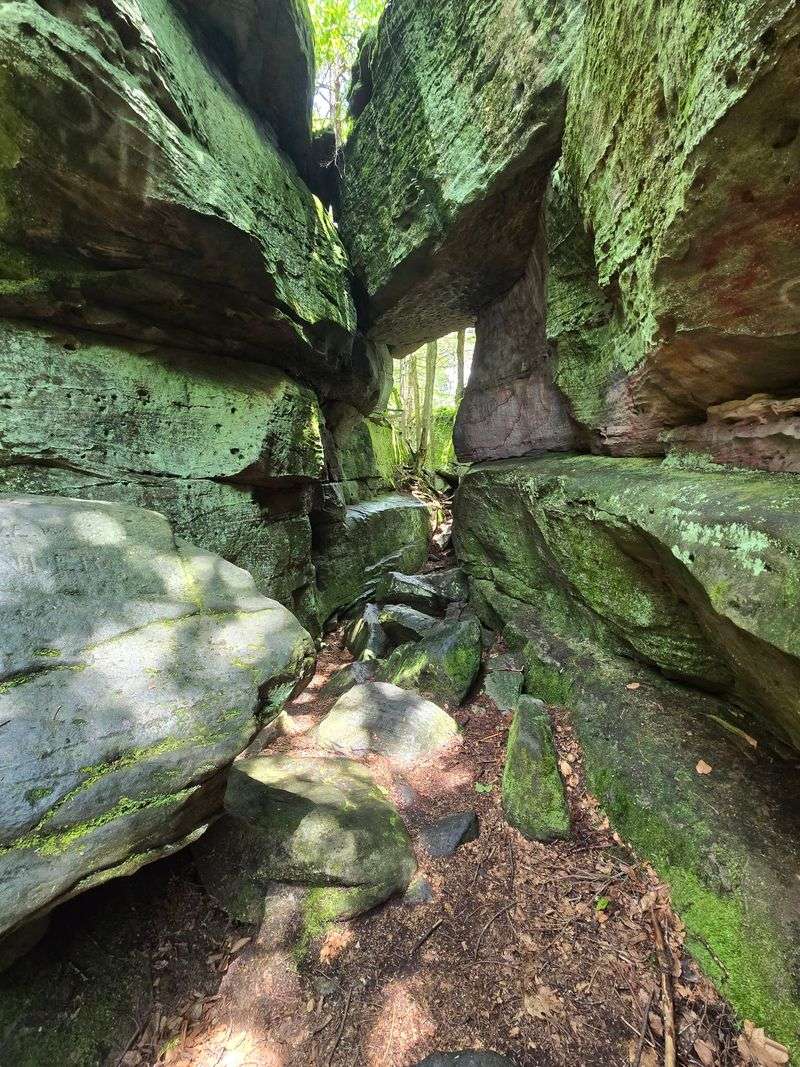
Massive sandstone walls, narrow passageways, and mossy corners make Bilger’s Rocks feel like a natural maze.
Located in Clearfield County, this outdoor spot gives visitors the chance to climb, wander, and explore rock formations shaped over millions of years.
The formations are the main attraction, with tall rocks creating cracks, ledges, and shaded paths.
Kids often feel like they have found a secret fort, while adults may be surprised by how dramatic the landscape looks.
It is rugged without feeling too remote.
Good footwear is very important.
Surfaces can be slippery, uneven, or covered with leaves.
Move carefully, especially in tight spaces, and avoid climbing beyond your comfort level.
A fun visit can turn stressful fast if someone takes careless risks.
Bring water, bug spray, and a sense of adventure.
The area is best enjoyed at a relaxed pace, with time to look at shapes in the stone and take photos.
Some visitors like to picnic nearby after exploring.
Bilger’s Rocks also has a community feel, with events and local care helping keep the site welcoming.
Before going, check current hours, rules, and any fees or donation requests.
Supporting the site helps protect it for future visitors.
What makes this place special is how hands-on it feels.
You are not just looking at a scenic overlook from behind a fence.
You can step between the rocks, touch the stone, and feel the cool air in shaded cracks.
For locals who think they have seen Pennsylvania’s forests, Bilger’s Rocks adds a bold and playful surprise.
Share this story