Thinking about retiring in Tennessee but worried your dollars will not stretch as far anymore? You are not imagining it. Once cozy, budget friendly towns are now commanding big city prices, and the numbers can quickly throw a retirement plan off track.
Here is a clear, no fluff look at seven popular Tennessee cities where costs have surged, competition has intensified, and fixed incomes are getting squeezed. You will learn what changed, why it matters for your day to day living, and where the budget stress really comes from. Use this guide to pressure test your plan before committing to a zip code that might quietly drain your savings.
1. Nashville

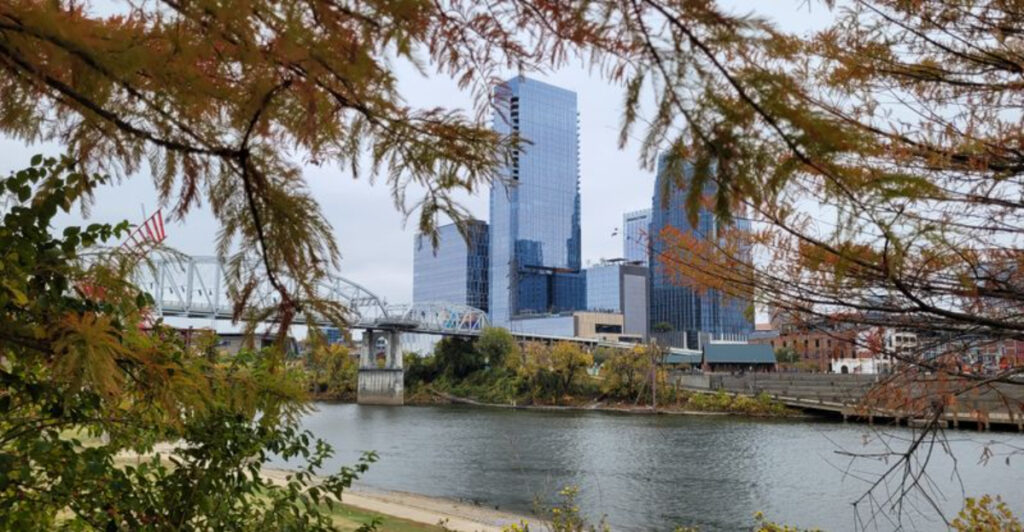
Live music energy and sparkling new towers feel exciting, but budgets tell a different story. Rents and home prices jumped faster than most fixed incomes, and the math starts breaking before the tour ends. Add higher property taxes, pricier insurance, and utility spikes, and the famous neon glow gets expensive quickly.
Everyday costs follow big city trends. Groceries, dining, parking, and healthcare copays inch up, and downsizing options vanish near desirable neighborhoods. You can chase affordability farther from the core, but transportation and time costs add back pressure.
The lifestyle still charms, yet predictability matters in retirement. If your plan needs steady housing costs and modest inflation, Nashville no longer cooperates. The budget simply stops balancing, and peace of mind slips away.
2. Franklin
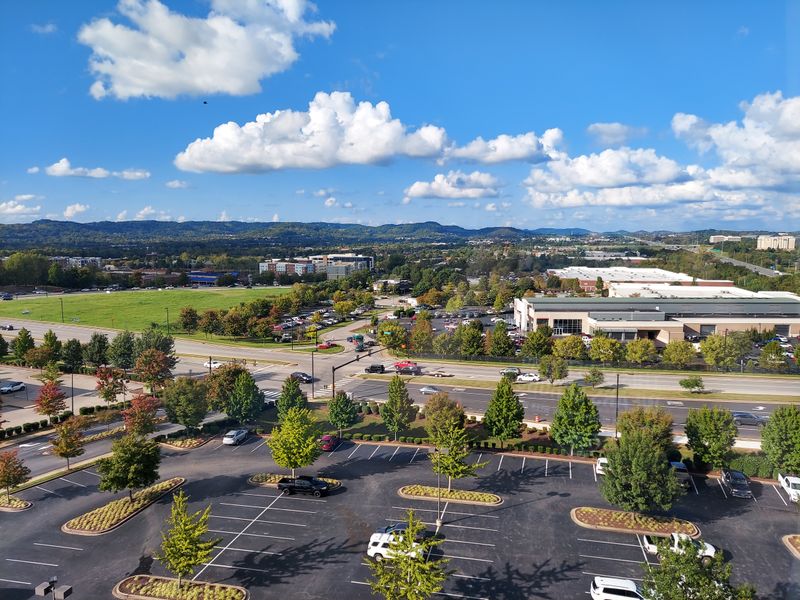
Brick lined streets, Civil War history, and polished boutiques make strolls feel timeless. The price tags are not. Franklin sits among the state’s most expensive housing markets, and bidding wars do not pause for fixed incomes.
Limited affordable rentals mean downsizing turns into a scavenger hunt with premium pricing.
Families and remote workers love the schools and commute options, pushing demand even higher. HOA fees and meticulous landscaping add recurring costs that rarely shrink. Healthcare access is great, but premiums and deductibles often match the neighborhood’s upscale vibe.
If you hoped charm would equal value, the math says otherwise. Franklin offers grace and amenities, yet at luxury level pricing. Stretching savings here requires trade offs most retirees will not love.
3. Brentwood
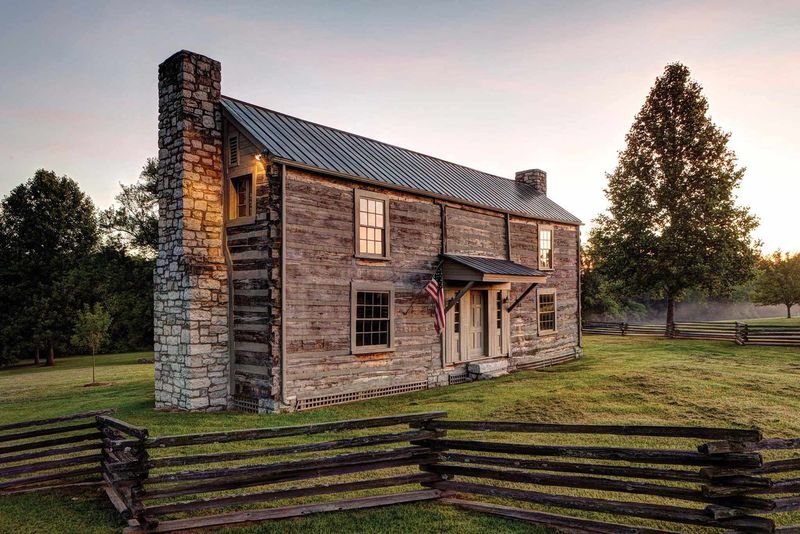
Quiet streets, excellent services, and polished neighborhoods make Brentwood feel effortless. The price proves otherwise. High property values push taxes, insurance, and mortgage payments above comfortable retirement thresholds.
Downsizing friendly rentals are scarce, and the ones that exist command a serious premium.
HOA dues and meticulous maintenance standards add monthly obligations that do not budge. Even if you own outright, upkeep on larger homes, irrigation, and landscaping can surprise a fixed budget. Groceries, restaurants, and wellness memberships tend to track the area’s affluence.
The quality of life is undeniably strong, from parks to healthcare access. Yet it comes at a premium many retirees cannot absorb. If predictability and modest overhead are priorities, Brentwood usually prices you out.
4. Gatlinburg
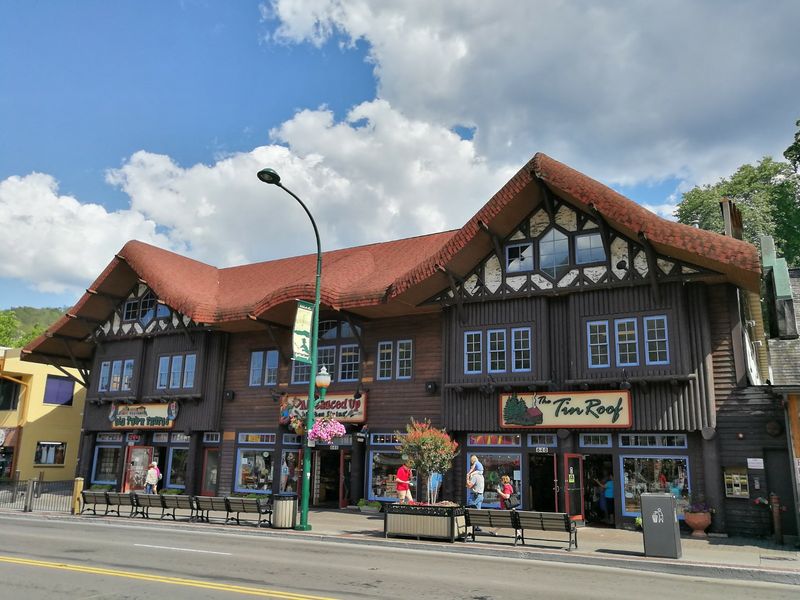
Living where people vacation sounds dreamy until bills arrive. Short term rentals dominate, pushing long term housing costs well beyond comfort. Inventory for year round residents feels thin, and when a place appears, competition resembles high season.
Seasonal price spikes ripple into groceries, gas, and even basic services.
Tourism brings energy and jobs, but it also brings volatility. Quiet off season days are fewer, while traffic and parking fees swell. Insurance and maintenance for mountain properties can climb, especially with weather related risks.
Retirement plans need stability more than postcard views. If your budget relies on predictable rent and steady utility costs, Gatlinburg is a hard fit now. The vacation premium never really turns off anymore.
5. Pigeon Forge

Entertainment options are everywhere, but affordability is not. Tourism demand inflates rents, and traditional residential neighborhoods feel outnumbered by vacation cabins. When long term listings appear, prices rarely align with cautious retirement budgets.
Everyday errands take longer, and seasonal crowds nudge costs higher across essentials.
Home insurance and maintenance can jump in hilly, wooded areas. Utilities swing with seasonal peaks, and service fees creep upward as demand surges. Grocery trips and dining out often mirror visitor pricing instead of local wages or pensions.
It is fun to visit and enjoy attractions with family. Living here on fixed income feels like swimming upstream. Most retirees eventually look for calmer streets, steadier pricing, and more predictable housing.
6. Chattanooga
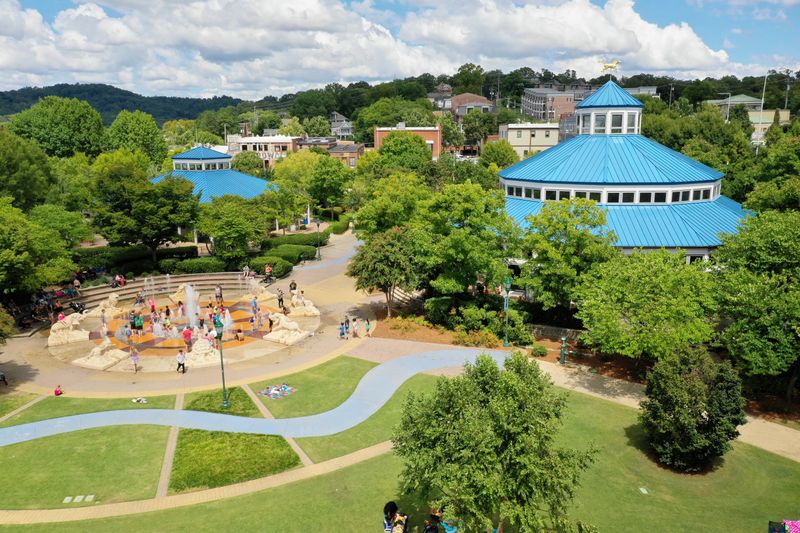
Rapid growth transformed this once hidden gem into a bustling favorite. The influx of new residents tightened housing supply, and rent growth outpaced retiree income growth. Popular neighborhoods near the riverfront now price above regional norms, and modest condos vanish fast.
Transit is improving, yet many still drive, adding parking and insurance costs to monthly plans. Healthcare access is solid, but premiums and out of pocket expenses mirror the city’s rising profile. Dining and entertainment tempt frequently, nudging discretionary spending upward.
For retirees, predictability matters more than buzz. Chattanooga still shines, but affordability moved. If your budget depends on slower rent growth and accessible downsizing, the city’s trajectory makes staying put increasingly difficult.
7. Knoxville
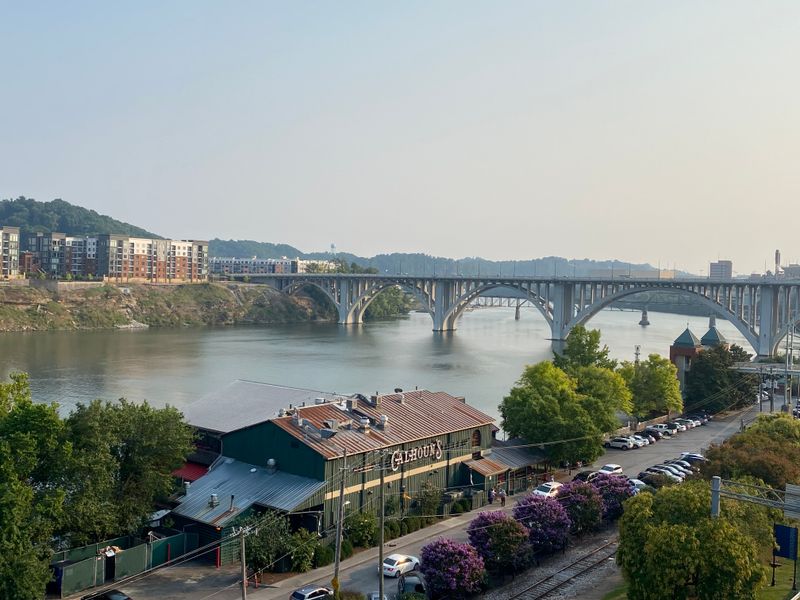
A college town energy now blends with a hot real estate market. Competition from students and newcomers pushes rents upward, and single family homes jumped sharply in price. Quiet, affordable options grow scarce in centrally located areas, and outlying neighborhoods add transportation time and costs.
Utilities and insurance follow property values, not pension checks. Renovated spaces command top tier pricing, while older units need work and still do not feel cheap. Healthcare access is strong, yet premiums and copays add friction to careful budgets.
If you want steady costs and low noise, Knoxville is tougher than before. Demand climbs while inventory lags. The squeeze is real, and retirees feel it most when renewing leases or downsizing.