Some of the most surprising stops in Oklahoma come without a ticket booth, a gift card, or a crowd.
In a quiet corner of Shawnee, a community of monks keeps a daily rhythm of prayer, and anyone can join in or simply sit and rest.
The grounds hold a church packed with relics, a water garden with benches, a small museum, and a shop stocked with honey and handmade soaps.
Keep reading to learn what to see, when to go, and why so many people say this place helps them slow down.
1. A Monastery on MacArthur Street
Shawnee rarely tops the list of Oklahoma road trip destinations, and that is part of the charm.
The town hides one of the most peaceful stops in the state.
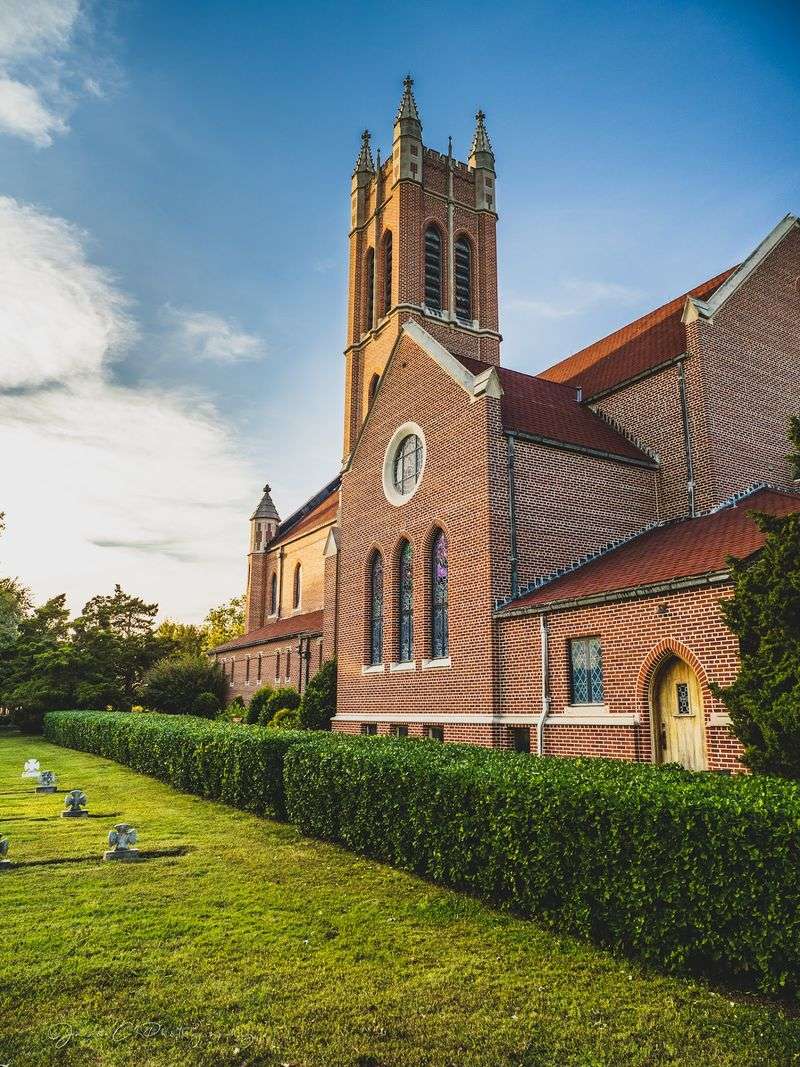
St. Gregory’s Abbey sits at 1900 W MacArthur St, Shawnee, OK 74804, an easy drive east of Oklahoma City for most day-trippers.
It is a working abbey, which means monks actually live, pray, and work here every day.
That detail matters.
The place is not a museum piece frozen in time but a living community that happens to keep its doors open to the public.
Families, solo travelers, and church groups all come through.
Some stay for a few minutes, while others linger for an afternoon of prayer and quiet reflection.
The grounds include a church, a water garden, a small museum, and a shop known as the Monks Marketplace.
Each piece has its own reason for a visit, and together they make for a surprisingly full outing.
Best of all for budget-minded families, simply visiting the abbey grounds and church does not require an entry fee.
Shopping is optional, though the shelves make that hard to resist.
The next stop on the tour is the daily schedule that gives this place its heartbeat.
2. Prayer on a Daily Clock
Monastic life runs on a schedule that has guided monks for centuries.
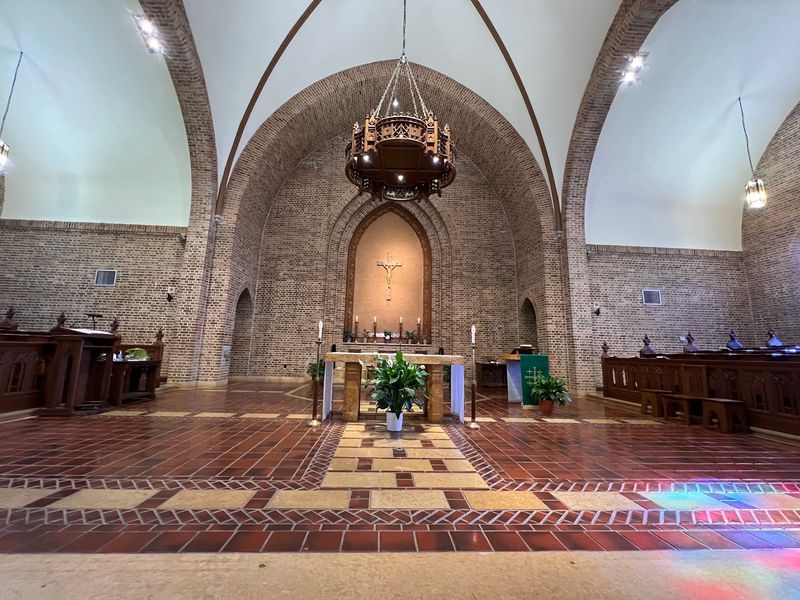
At St. Gregory’s, prayer happens at set times throughout the day, and the public is welcome to take part.
Noon prayer in the church is a popular time to join.
Groups often plan a visit around it, shopping first and then heading inside to pray alongside the community.
No special knowledge is needed.
Guests can follow along, sit quietly, or simply observe from a pew.
Many people treat the church as a personal retreat.
Some locals stop by almost every evening to meditate and pray, making the abbey part of their regular routine.
That kind of loyalty says a lot about the space.
It offers a reliable pause button in a busy week.
For first-timers, the best approach is to arrive a few minutes early and settle in.
Respectful quiet is the house rule, and it does not take long to fall into step.
Schedules for prayer can shift with feast days and the church calendar, so checking the abbey website at monksok.org before driving over is a smart move.
3. Relics That Stop People in Their Tracks
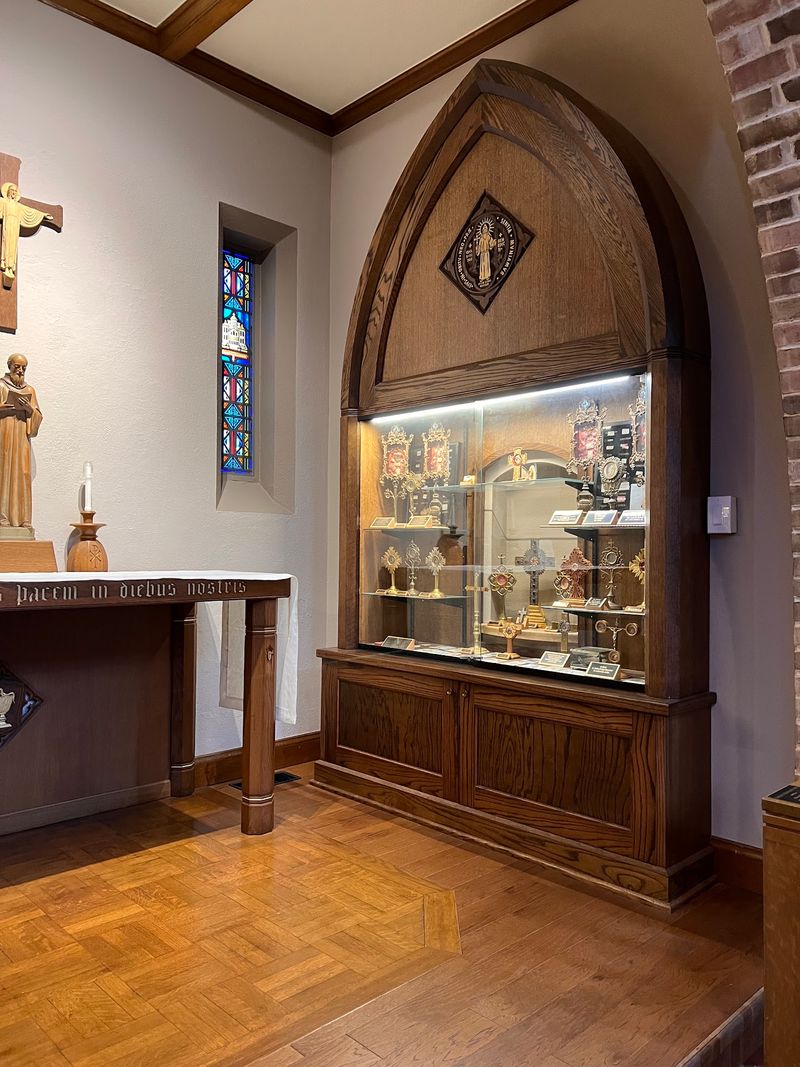
Here is the detail that surprises most first-time guests: the church holds a remarkable number of relics.
Many people walk in expecting a simple chapel and end up standing in awe.
Relics of saints and apostles are part of the collection.
For Catholic pilgrims, that alone makes the drive worthwhile.
Even for those outside the faith, the display carries real historical weight.
These objects connect a small Oklahoma town to centuries of Christian tradition.
Some guests say they could have stayed for hours looking at them.
That is not hard to believe once the scope of the collection sinks in.
A quick tip for families: older kids with an interest in history often find the relics fascinating.
A short conversation beforehand about what relics are and why they matter can make the stop far more meaningful.
Quiet voices and careful steps keep the space respectful for those who come to pray.
A little patience goes a long way here.
Touring the chapel is frequently named a must, and the relics are the main reason why.
4. Benches Beside the Water Garden
Not every highlight sits indoors.
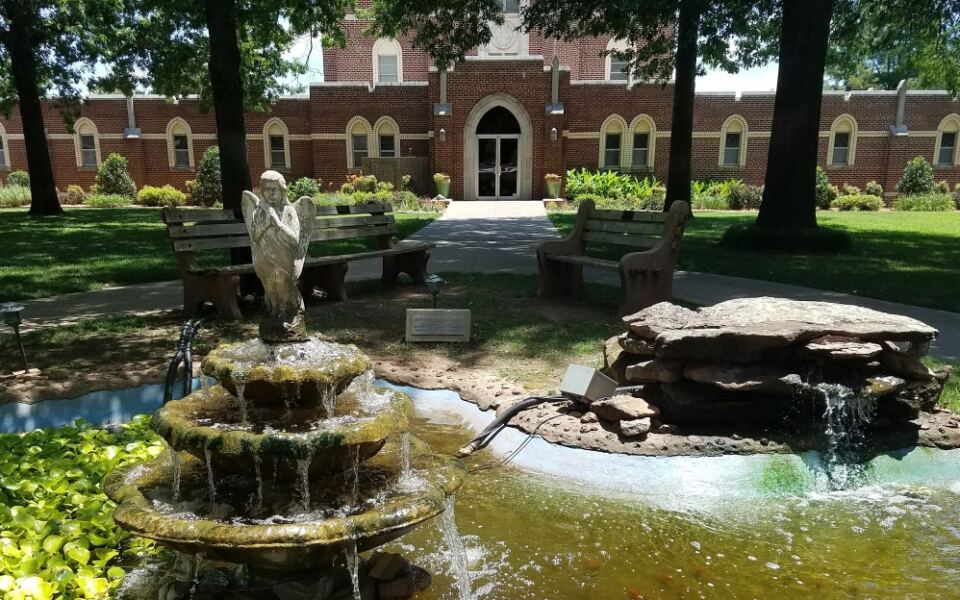
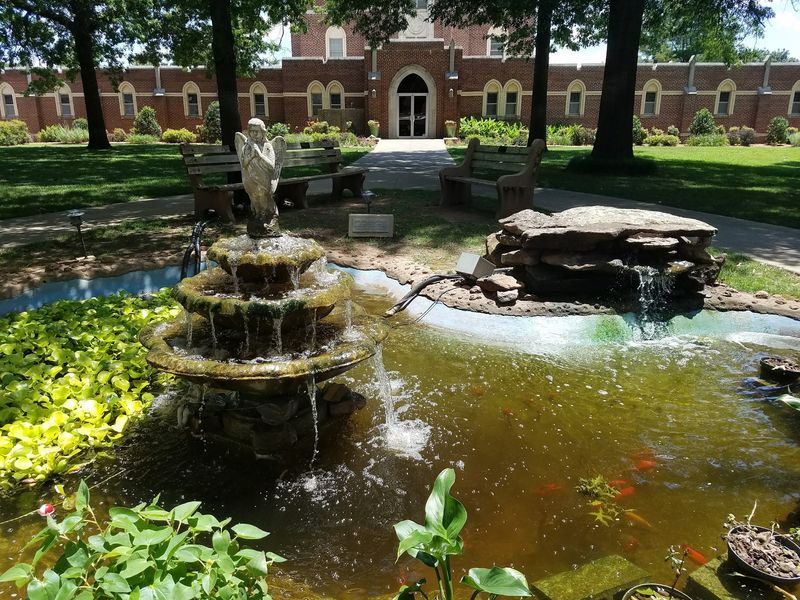
Outside the abbey, a water garden with benches offers a calm spot to sit before or after a visit to the church.
The fountain is the centerpiece.
People who drop by for unrelated reasons, even quick deliveries, have been known to pause and take in the garden and architecture.
It is the kind of place that rewards a slower pace.
Bring a book, a journal, or nothing at all.
Families with younger children may find the garden a good balance to the quiet church.
Kids can stretch their legs while parents enjoy a few minutes on a bench.
Spring and fall tend to be the most comfortable seasons for lingering outdoors in central Oklahoma.
Summer afternoons can run hot, so mornings work better then.
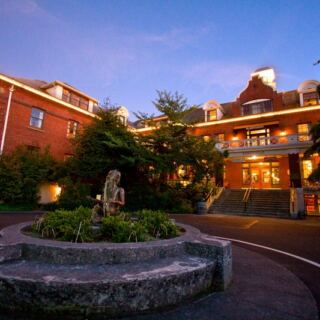
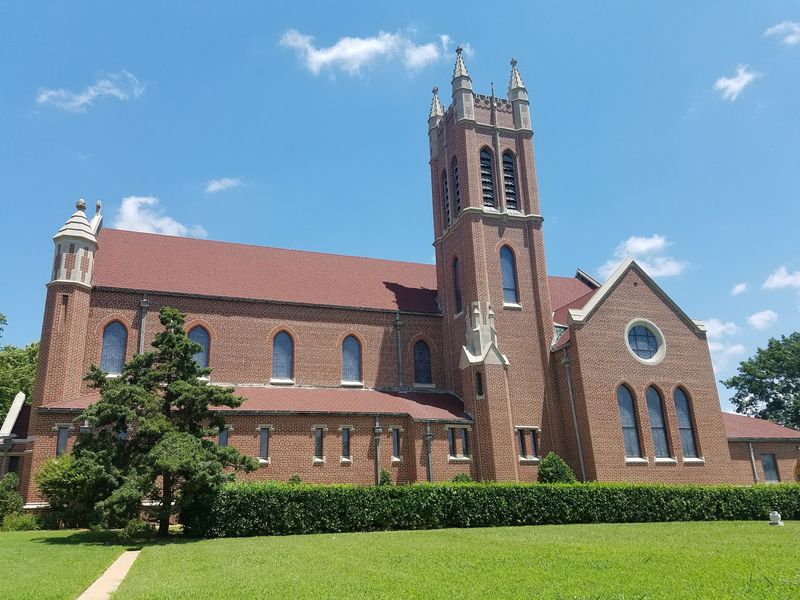
The garden and the abbey buildings together make a handsome backdrop.
It is a reminder that Oklahoma has plenty of beauty tucked away in unexpected corners.
5. Honey, Soap, and the Monks Marketplace
Monks have long supported themselves through their own labor, and the shop here carries on that tradition.
The Monks Marketplace stocks soaps, hand cream, and food products.
Local honey is a favorite take-home item.
Hand cream also gets plenty of love from shoppers.
The monks raise bees, which explains the honey on the shelves.
They also raise beef and sell it to the public.
Shoppers often describe the items as unique, the sort of gifts that are hard to find at a mall.
That makes the store a handy stop before birthdays or holidays.
A purchase here also supports the community that keeps the abbey running.
It is a simple way to give back for a free visit.
Product selection may vary by season, and availability of beef in particular can change.
A quick look at monksok.org or a call ahead helps avoid disappointment.
Bring a tote bag.
Leaving empty-handed takes more willpower than most people expect.
6. A Small Museum With Big Surprises
Size can be deceiving.
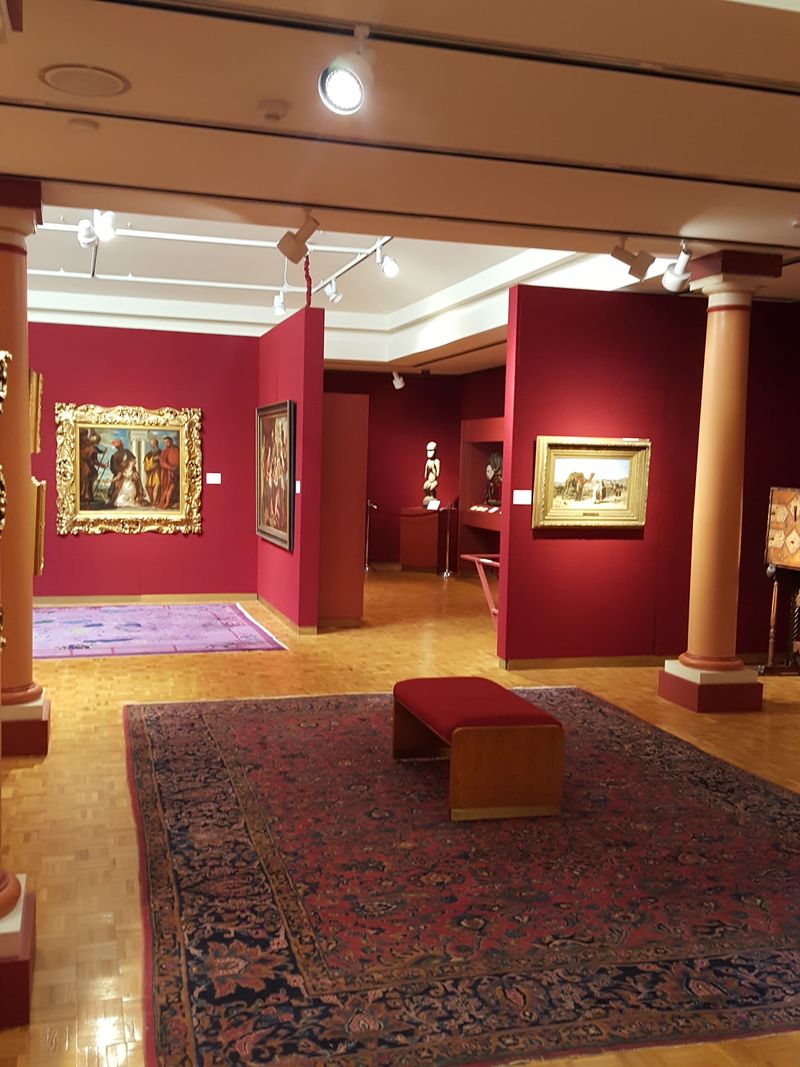
The museum connected to the St. Gregory’s campus has earned praise for being impressive given its modest footprint.
For history buffs, it makes a natural add-on to a church visit.
It rounds out the day with something a bit more hands-on and educational.
Details on current exhibits and hours are best confirmed before the trip.
Museum schedules may differ from the abbey grounds and can change throughout the year.
Pairing the museum with the relics in the church creates a fuller picture of faith, art, and history in this part of Oklahoma.
Kids who enjoy looking at old objects tend to stay engaged.
It is also a good rainy-day option.
When the water garden is too wet to enjoy, indoor exhibits keep the outing on track.
Small museums like this are part of what makes Oklahoma day trips rewarding.
They prove the state holds far more stories than its flat-prairie reputation suggests.
7. Calm in an Intense World
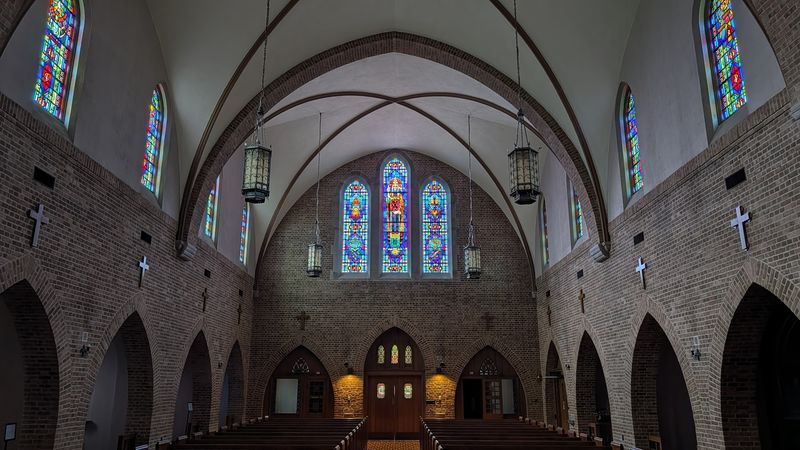
Ask people to sum up the abbey in one word and peaceful comes up again and again.
Serene and calm are close behind.
The atmosphere is the real draw.
It is a spot to revive the spirit, get back to center, and renew faith.
The monks themselves add to the welcome.
Guests regularly mention how kind and friendly the community is.
So who will enjoy it most?
Catholic pilgrims, of course, but also anyone who needs an hour away from screens and schedules.
Church groups and youth groups often visit together.
Couples and solo travelers find it a good reset during a weekend drive.
Families should know the setting rewards quiet behavior.
Short visits work well with little ones, with the garden as a pressure release.
A beautiful space to pray and meditate, the abbey is often called a must for anyone passing through Shawnee.
8. Hours, Costs, and the Drive
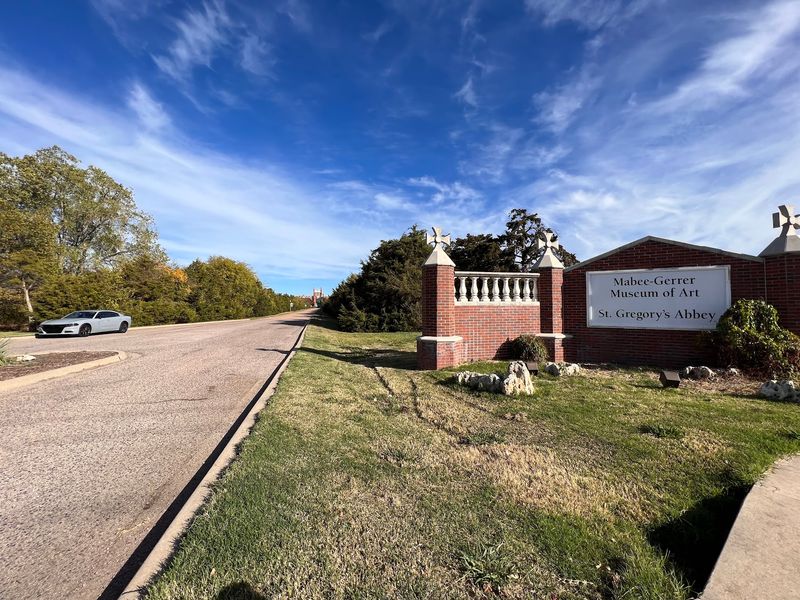
Good news for planners: the abbey keeps generous hours.
It is listed as open daily from 7:30 AM to 7:30 PM, seven days a week.
That wide window makes it easy to fit into a morning errand run or an evening drive.
Noon prayer is a popular anchor for midday trips.
Entry to the grounds and church is free.
The only spending happens in the Monks Marketplace, and that is entirely optional.
Shawnee sits east of Oklahoma City along Interstate 40, making it a manageable drive for many central Oklahoma families.
Tulsa residents will have a longer trip but can easily make it a day outing.
Hours can shift for holidays or special events, so double-check before heading out.
The website at monksok.org is the best source.
A respectful dress code and quiet manners are wise inside the church.
Comfortable shoes help for wandering the grounds.
Plan at least an hour to see the church, garden, and shop without rushing.
9. Worth the Detour to Shawnee
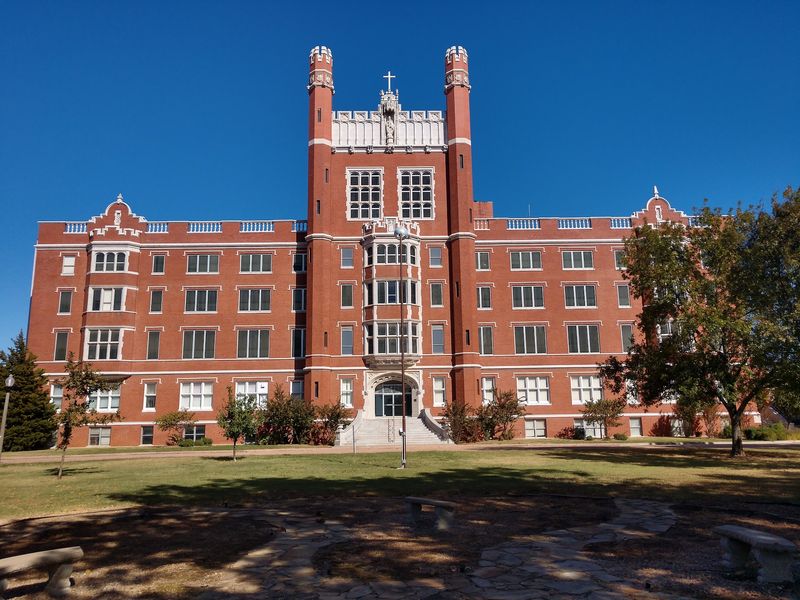
Plenty of road trips chase big thrills.
This one offers something rarer, which is a chance to slow down without spending a dime.
St. Gregory’s Abbey brings together history, faith, and hospitality in one compact stop.
The relics alone justify the drive, and the water garden and shop make it a complete outing.
It suits pilgrims, history fans, and families who want a calm afternoon.
It also suits anyone who simply needs a quiet hour.
The monks keep their daily rhythm whether guests show up or not.
That steady routine is part of the appeal, a reminder that some traditions do not bend to busy calendars.
Many first-timers leave planning a return trip.
Some end up making it a regular habit.
For Oklahomans proud to show that their state holds more than open prairie, this abbey makes a fine piece of evidence.
Pack a tote for honey, check the schedule, and let the hours unfold at a monastery pace.
Share this story