Tucked into the farm country north of Stillwater, a cluster of old wooden buildings tells the story of Swedish families who crossed an ocean to start over in Minnesota. You can stroll the grounds, read the signs in two languages, and admire a herd of giant painted horses without opening your wallet.
Crafters, history fans, and curious day-trippers all find something worth the drive here. Keep reading to learn what makes this quiet village so special and how to plan the perfect visit.
A Swedish Village on Olinda Trail
Some of Minnesota’s best history hides in plain sight along a country road. The Gammelgården Museum of Scandia sits at 20880 Olinda Trail N, Scandia, MN 55073, in the eastern part of the state.
It is an open air museum, which means much of the experience happens outside, among real historic buildings spread across the grounds. The focus is the story of Swedish immigrants and the culture they carried with them to this corner of Minnesota.
Scandia itself is a small town of under 4,000 people. The community has a genuine appreciation for Swedish-American history, and the museum serves as its proud centerpiece.
The site holds a 4.7-star average from more than 200 people on Google, a strong showing for a small rural attraction. That kind of steady praise says a lot about how carefully the place is run.
Many locals drive past for years before finally stopping in. Once they do, they tend to wonder why they waited so long.
The setting is the first clue that this is no ordinary museum. Old buildings, open lawns, and colorful artwork create the feeling of a tiny village frozen in an earlier time.
Before exploring the buildings, though, it helps to know why Swedes came here at all.
The Great Swedish Journey
More than one million Swedes left their homeland during the 19th century. Many of them ended up in the upper Midwest, and Scandia became one of the places where those families put down roots.
The museum exists to tell that story. Its exhibits and buildings explain who these immigrants were, how they lived, and what traditions they kept alive after arriving.
The topic hits close to home for many guests. People with Swedish fathers, grandparents, or great-grandparents come to learn more about where their families started.
Even travelers from Sweden find it eye-opening. Families with relatives who recently moved to America have called the visit a meaningful way to understand the long history of Swedes settling in the United States.
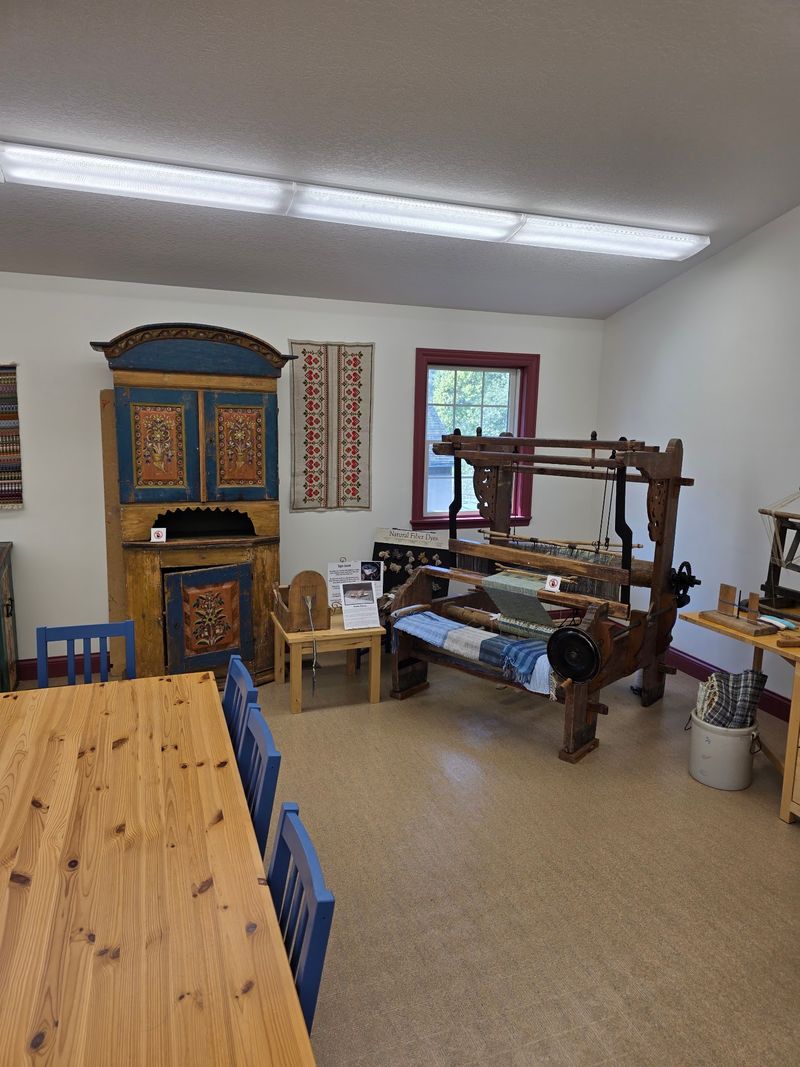
The upstairs museum space holds artifacts and displays that put the journey into context. The information is detailed without being overwhelming, so you can learn a lot without feeling buried in dates.
Staff and volunteers add another layer. Greeters are known for being friendly and well informed about Swedish immigration to this specific area, and they enjoy answering questions.
Knowing this background makes every building on the grounds more interesting. Each one becomes a chapter in a much bigger story.
Historic Buildings With Bilingual Signs
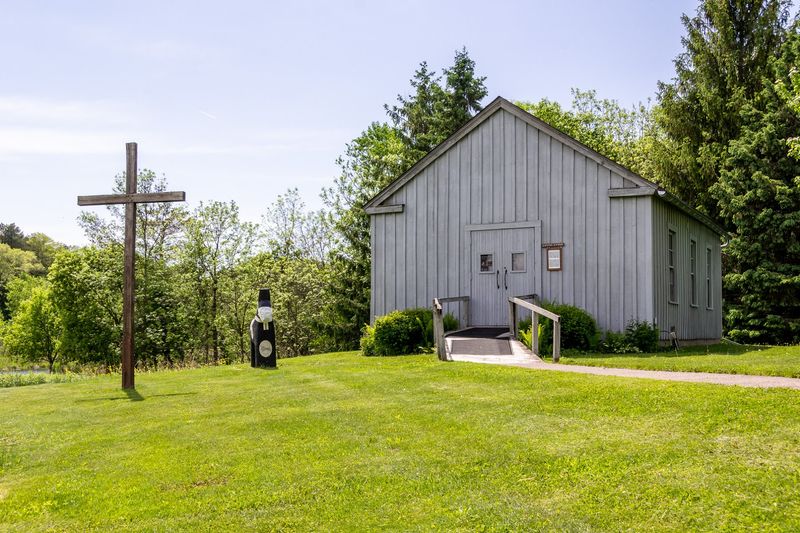
Here is the part that makes the headline true. The grounds outside the museum can be explored even when the doors are closed, and wandering among the buildings costs nothing.
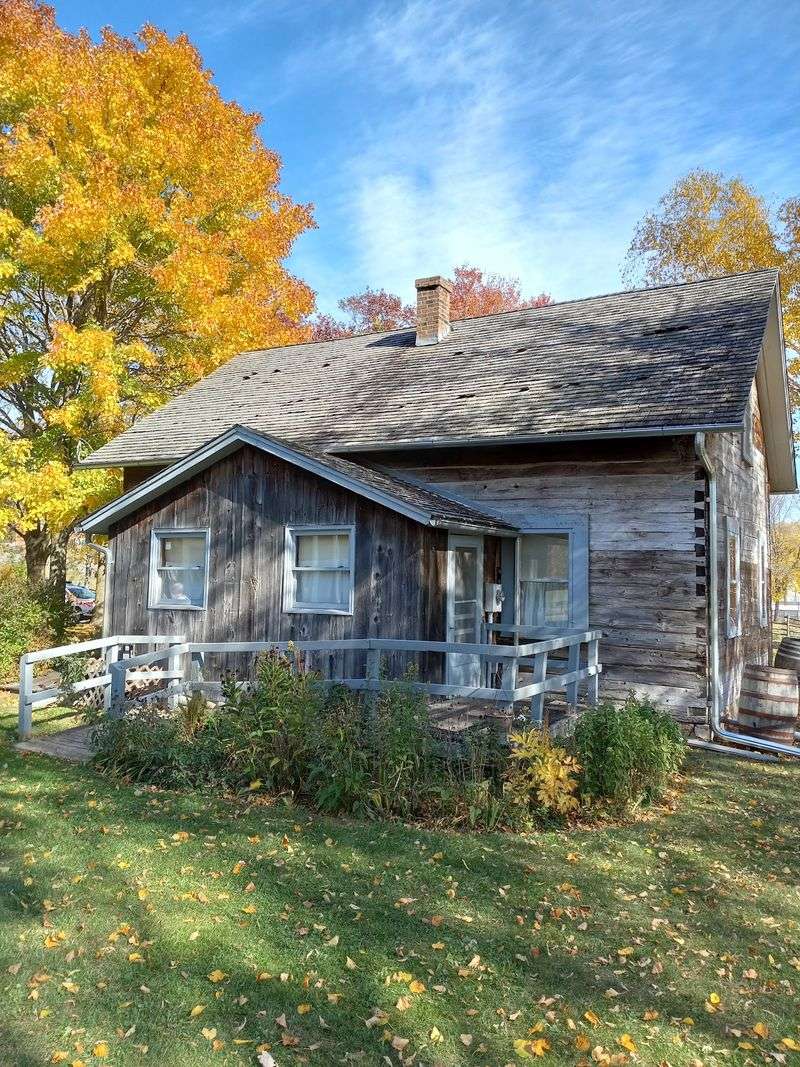
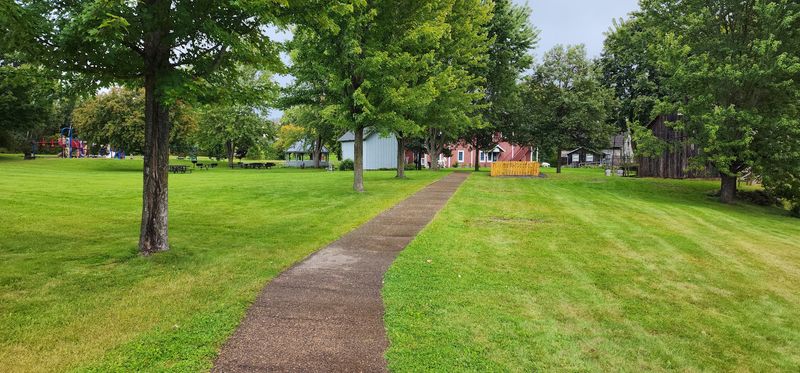
Several historic structures stand across the property. Each one has a plaque in front, written in both Swedish and English, explaining what the building is and how it was used.
That bilingual touch is a nice nod to the heritage being honored. It also means you can take a self-guided walk at your own pace and still come away with real knowledge.
People who arrive during the off season often explore this way. None of the buildings are open then, but walking around the outsides and reading the signs is still a lot of fun.
The buildings are well cared for, which is not always the case with old structures. The museum clearly puts effort into keeping this history in good shape.
There is plenty to see without feeling like a marathon. A relaxed loop around the grounds fits easily into an afternoon.
One building was under renovation at one point, so some changes may be in progress when you arrive. Peeking at the outsides is still worthwhile either way.
A Herd of Painted Dala Horses
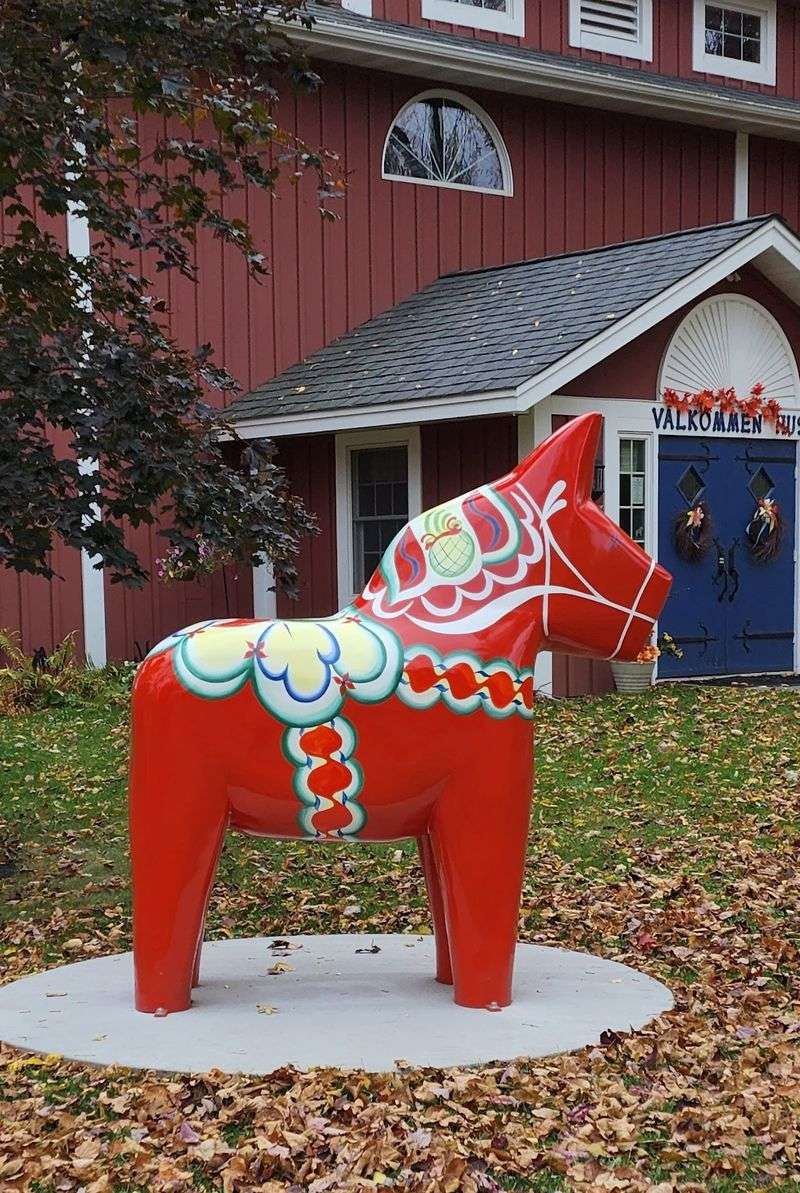
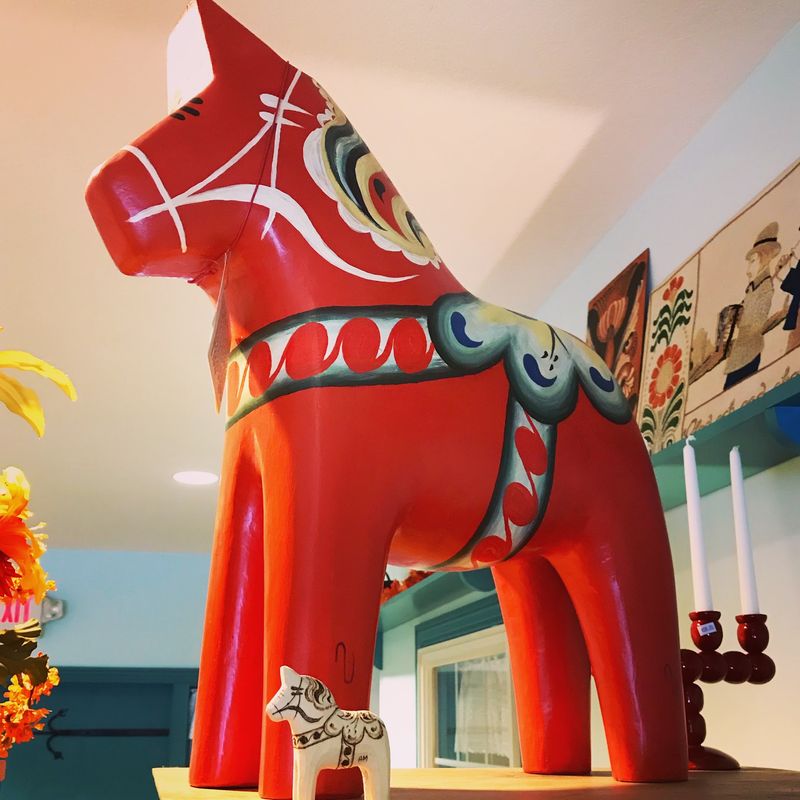
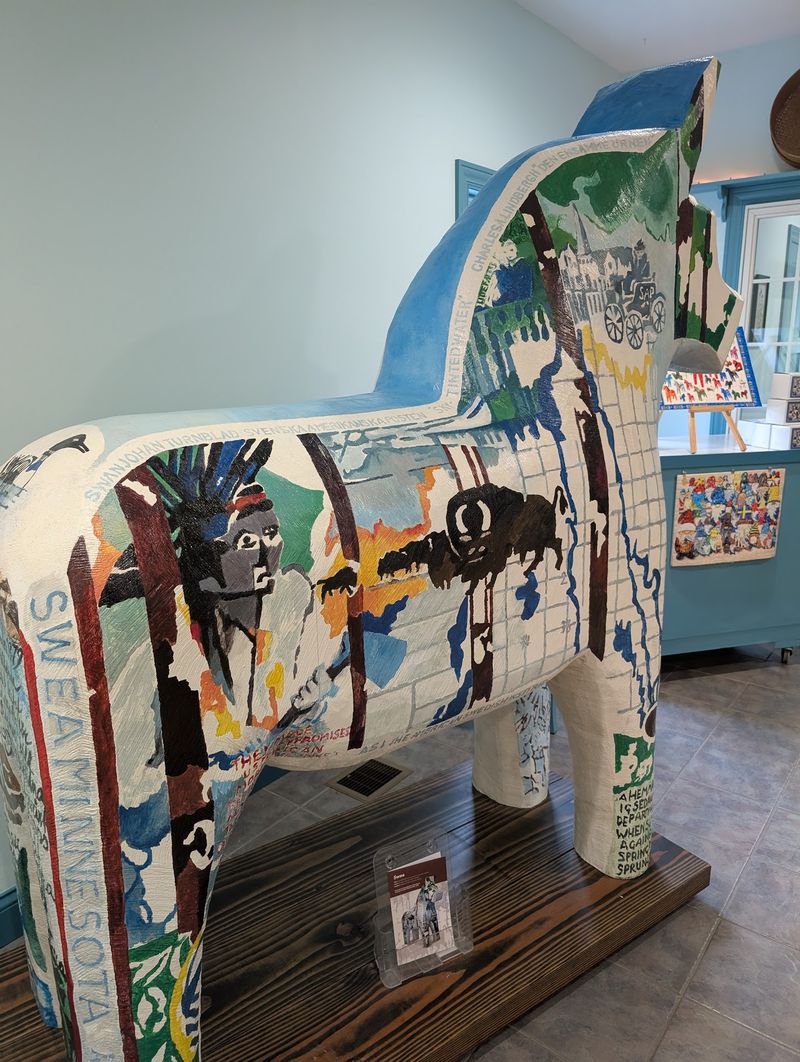
Few things say Sweden quite like a Dala horse. At Gammelgården, these classic carved horses have been supersized and set out on the grounds for everyone to enjoy.
Each large Dala horse features a different art style. No two look alike, so strolling from one to the next feels like a small outdoor art show.
For many guests, the horses are the favorite attraction of the whole property. They are colorful, artistic, and impossible to miss.
Crafters especially tend to linger here. The designs offer plenty of ideas for anyone who likes to paint, decorate, or work with folk art patterns.
The horses also stand outdoors, so they can be admired even when the museum building is closed. That makes them a perfect quick stop during a weekend drive.
Quick history bit: the Dala horse is a traditional Swedish folk figure, and it remains one of the country’s best-known symbols. Seeing so many of them in rural Minnesota is a fun reminder of how far that tradition traveled.
Bring a camera and plan to stay a while. Choosing a favorite horse is harder than it sounds.
The Surprisingly Modern Welcome House
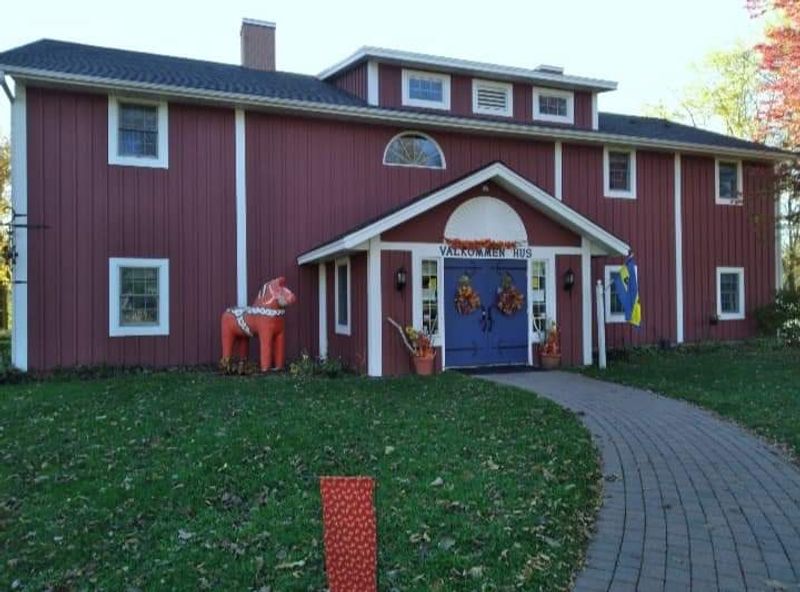
Old buildings outside, comfort inside. The welcome house catches many first-timers off guard with how professionally designed it is.
The building has two floors and an elevator. It also offers multiple large, clean bathrooms, which is always welcome news for families on a road trip.
Upstairs you will find the museum area and a class space. Games and books are set up there too, offering something for every age group.
The building also carries books in Swedish for readers of all levels, including children. Families raising kids with Swedish heritage, or anyone learning the language, will appreciate that thoughtful touch.
On the main floor there is an indoor play area for kids. Parents can browse while younger children stay busy.
Community craft events take place here from time to time. That gives crafters one more reason to keep an eye on the museum’s calendar.
The welcome house is also home to the card and book shop, which is a highlight of its own. More on that shortly, because it deserves a full section.
Consider this building your home base for the day.
Tours Led by Costumed Guides
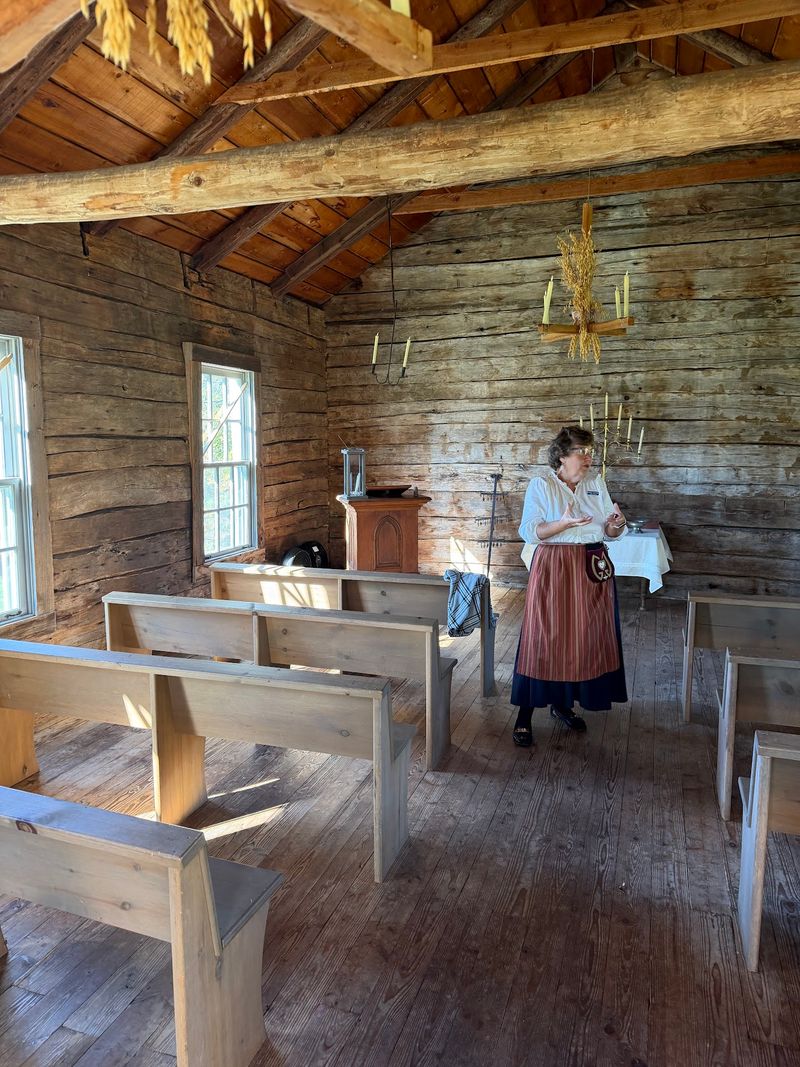
Walking the grounds for free is great. Going inside the buildings with a guide is even better.
Guided tours run at set times and are known for being detailed. One account lists the cost at just $10, which helps keep the museum running.
Tours have been noted as happening on weekends, and they run frequently during the open season. Checking the website before you go is a smart move for current times.
The guides dress up in costume. They are very knowledgeable and lead groups inside four of the outbuildings.
Here is a clever detail kids love. Each outbuilding holds a key that helps guests remember something unique about that building, turning the tour into a small memory game.
Missing a tour does not ruin the day. You can still walk around and read the plaques by each building at your own speed.
Still, the tour is the best way to see the interiors and hear the stories behind them. The friendly staff are happy to share details you will not find on any sign.
Ten dollars for a guided trip into the past feels like a fair deal for the whole family.
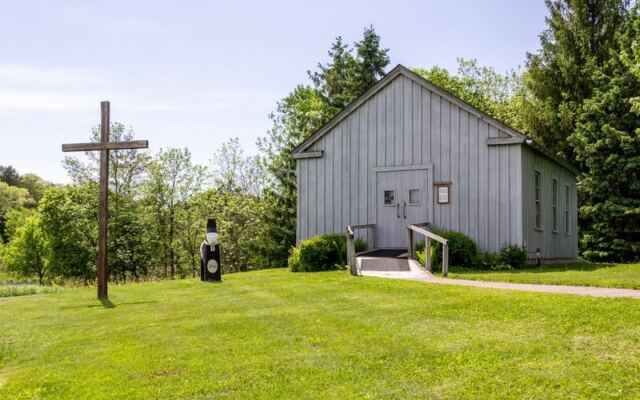
Candlelight in the Old Wooden Church
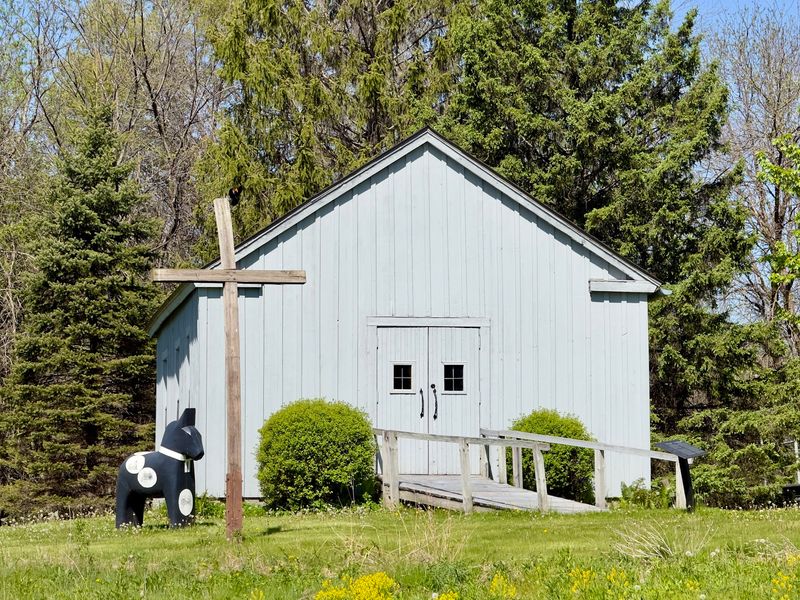
Early risers have a reason to set an alarm in December. The old wooden church on the grounds hosts a sunrise service for St. Lucia’s Day.
St. Lucia’s Day is a cherished Swedish tradition held during the darkest part of winter. It celebrates light and is often marked with candles and songs.
People who attend call the sunrise service unforgettable. A warm gathering with seasonal treats follows, making the cold morning worth it.
The church itself is one of the historic buildings that give the grounds their village feel. It adds a peaceful focal point to the property all year long.
Holiday events like this show that the museum is more than a place to look at old things. It keeps Swedish customs active in the community.
For families wanting to share their heritage with children, the Lucia service offers a hands-on way to do it. Kids get to experience the tradition rather than just read about it.
Event dates and details can change from year to year. Check the museum’s website ahead of time so you do not miss it.
Winter may seem like the off season, but this morning proves otherwise.
Midsummer and a Busy Calendar
Summer brings one of the biggest celebrations on the Swedish calendar. Gammelgården hosts a midsummer festival on its grounds.
During the festival, guests can tour the museum displays, shop the gift store, and enjoy the event happening outside. Outdoor music is part of the fun on the grounds.
One past festival featured large walking puppets moving through the crowd in the morning. They were likely from In the Heart of the Beast, a well-known Minneapolis puppet theater.
There is also a small vendor area during the festival. Food is available, though some guests have found it on the pricey side, so plan accordingly.
Not everyone finds the festival thrilling, and that is fair. It is a laid-back community celebration rather than a giant fair.
The museum does more than one big event a year. Guests mention events happening weekly, which gives repeat visits a fresh feel.
Community craft events pop up at times as well. Crafters who enjoy making things alongside others should watch for those.
A look at the online calendar before your trip is the easiest way to catch something special.
Scandia Butik, the Shop Everyone Mentions
Ask people what they remember most, and the gift shop comes up again and again. It is easily the most talked-about feature of the museum.
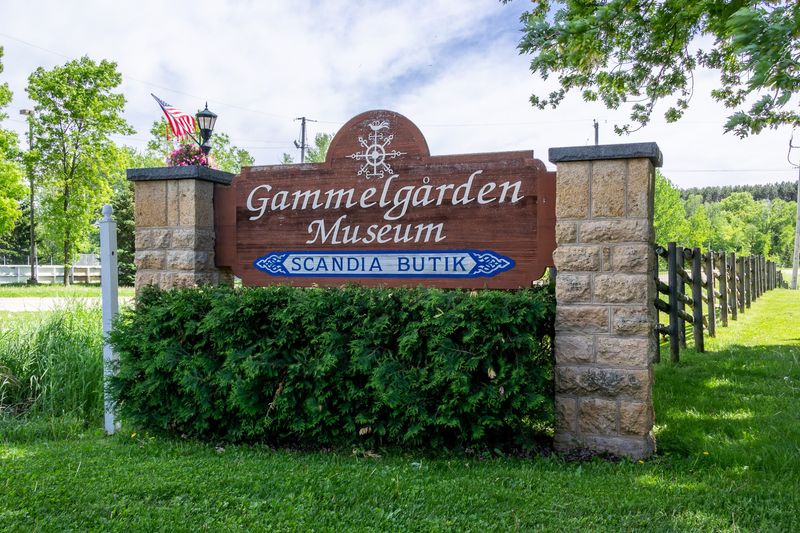
Known as the Scandia Butik, the shop is small but packed with charm. It is often described as a sweet card and book store.
Crafters and folk art fans will find plenty to admire. The shop carries some very nice hand-painted items alongside a variety of other pretty pieces.
The selection includes precious little items that make great stocking stuffers. Holiday shoppers looking for something with Swedish flair should put this stop on their list.
The people behind the counter add to the experience. Shop staff are known for being friendly and easy to chat with, making a quick browse turn into a pleasant conversation.
Shopping here also supports the museum. Every purchase helps a small nonprofit keep its history and programs going.
Vintage lovers and gift hunters alike may want to budget a little extra time. Small shops like this tend to reward slow browsing.
Just remember, the shop runs on museum hours. Plan your visit for when the doors are open if shopping is a priority.
Plenty for Little Explorers
Museums and young kids do not always mix. Gammelgården manages to keep children busy without sacrificing the history.
A playground sits directly behind the welcome house. Little ones can burn off energy while parents take a breather.
Inside, the main floor has a play area for children. Upstairs, games and books in the museum area appeal to all ages.
The tour keys are another kid-friendly idea. Finding a key in each building helps young guests remember what makes it special.
Books in Swedish for children of every reading level add an educational bonus. They are a gentle way to introduce kids to the language.
The giant painted Dala horses are a natural hit with children too. Their bright designs make them fun to spot and compare.
Families often describe the site as packed with artifacts and fun activities everyone can enjoy. It is a rare spot where grandparents, parents, and kids all leave satisfied.
Because the outdoor grounds stay open to explore, a quick family stop can happen almost any day. That flexibility is a big plus for busy schedules.
Pack some snacks and let the kids lead the way.
Photos, Picnics, and Peaceful Grounds
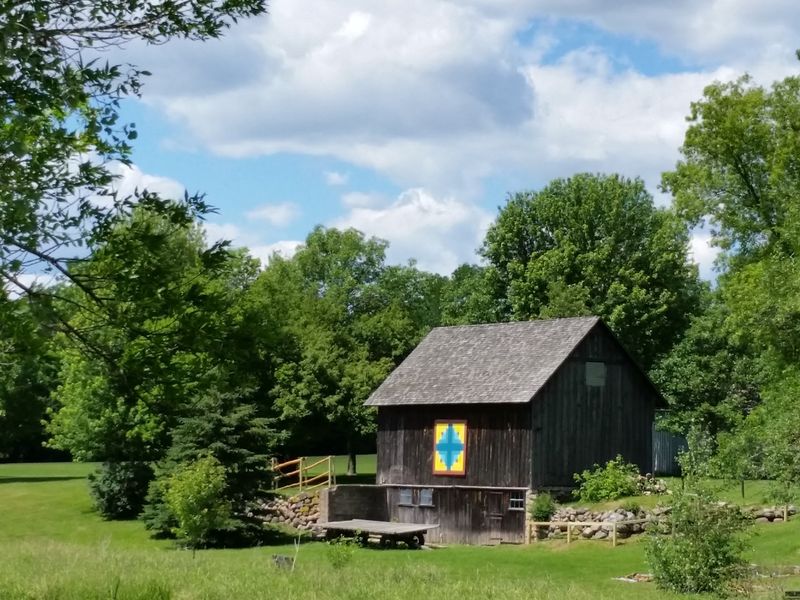
Cameras get a workout here. The grounds are a favorite backdrop for family portraits and engagement photos.
Some families say photos taken here years ago are still their all-time favorites. The historic buildings, the barn, and the painted horses make for memorable shots.
Hobby photographers enjoy it too. People who rarely go anywhere without a camera call it a great place to shoot, even in the off season.
The area itself is often called beautiful. The landscape around the museum adds to the appeal of a slow walk.
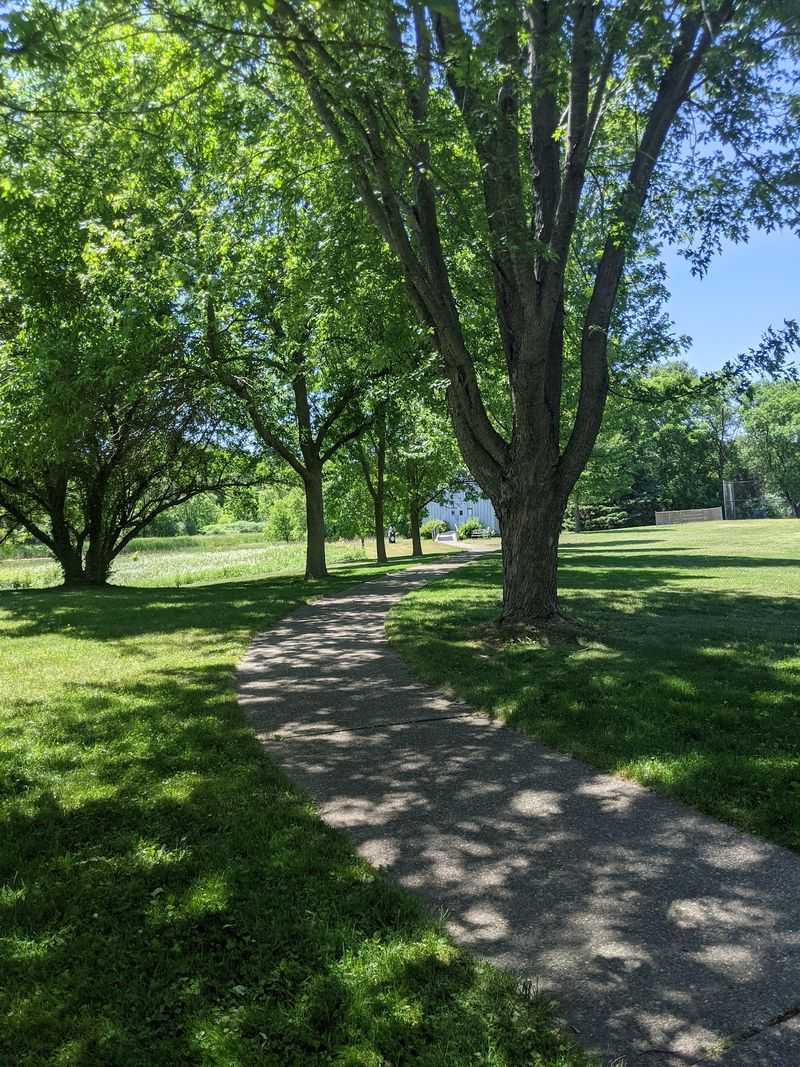
It is also a lovely place for a picnic. Bring lunch, find a spot, and enjoy some time outdoors.
Cyclists sometimes stop by in the middle of a bike ride. The grounds make an easy and interesting break without needing to commit to a full tour.
For anyone planning a photo session, being respectful of the buildings and other guests goes a long way. Checking with the museum about any guidelines is a good courtesy.
Quiet, scenic, and full of character, the property shows that a museum visit can double as a relaxing day outside.
Hours, Costs, and the Drive Out
Good planning makes this trip smooth. The museum building is closed on Mondays and Tuesdays.
From Wednesday through Saturday, hours run from 10 AM to 4 PM. On Sundays, the museum opens from 1 PM to 4 PM.
Walking the outdoor grounds and reading the plaques is free. Guided tours have been listed at about $10, a modest fee that supports the museum.
Scandia is roughly 45 minutes from the Twin Cities. It sits just north of Stillwater in eastern Minnesota, making it an easy day trip.
One word of caution is worth sharing. At least one person drove out during posted hours and found the museum closed, so calling ahead or checking the official website before leaving is wise.
The museum’s website is gammelgardenmuseum.org. It is the best place to confirm hours, tour times, and upcoming events.
Seasons matter too. During the off season, the historic buildings are closed, though the grounds remain open for walking.
For the full experience with open buildings and tours, aim for the main season. A quick check before you go saves a wasted drive.
Why This Little Village Is Worth the Trip
Small places sometimes carry the biggest stories. Gammelgården proves that a modest patch of land in Scandia can hold the history of an entire wave of immigrants.
The free outdoor grounds make it easy to say yes. Bilingual plaques, historic buildings, and a herd of painted Dala horses offer a rewarding stroll at no cost.
Paying for a tour unlocks even more. Costumed guides, building interiors, and clever memory keys bring the past to life for all ages.
Crafters will love the hand-painted pieces in the Scandia Butik and the occasional community craft events. Families will appreciate the playground, play areas, and Swedish children’s books.
Seasonal traditions round out the picture. A St. Lucia sunrise service and a midsummer festival keep Swedish culture active rather than locked behind glass.
The friendly staff and volunteers are a recurring highlight. Their knowledge and warmth make the visit feel personal.
It is not a flashy attraction, and it is not trying to be. Instead, it offers a calm, well-kept window into Swedish-American life.
Check the hours, pack a picnic, and head north of Stillwater. A little piece of Sweden is waiting on Olinda Trail.
Share this story