A Matchbox car small enough to disappear in your palm can hold someone’s attention for an hour in Newfield. Across the state, a wall of rocks glows under ultraviolet light, a roomful of radios waits for a curious visitor, and an Asbury Park storefront keeps objects with stories their former owners could not explain.
New Jersey’s most focused museums invite you to look closely at things you might normally pass without a second thought. Some grew from lifelong collections; others preserve a craft, a local industry, or one person’s remarkable career.
Their size is part of the appeal: you can spend less time finding your way around and more time with the details that brought you in. Here are ten places where someone followed a particular interest far enough to build a museum around it—and made room for the rest of us to come along.
1. Matchbox Road Museum – Newfield
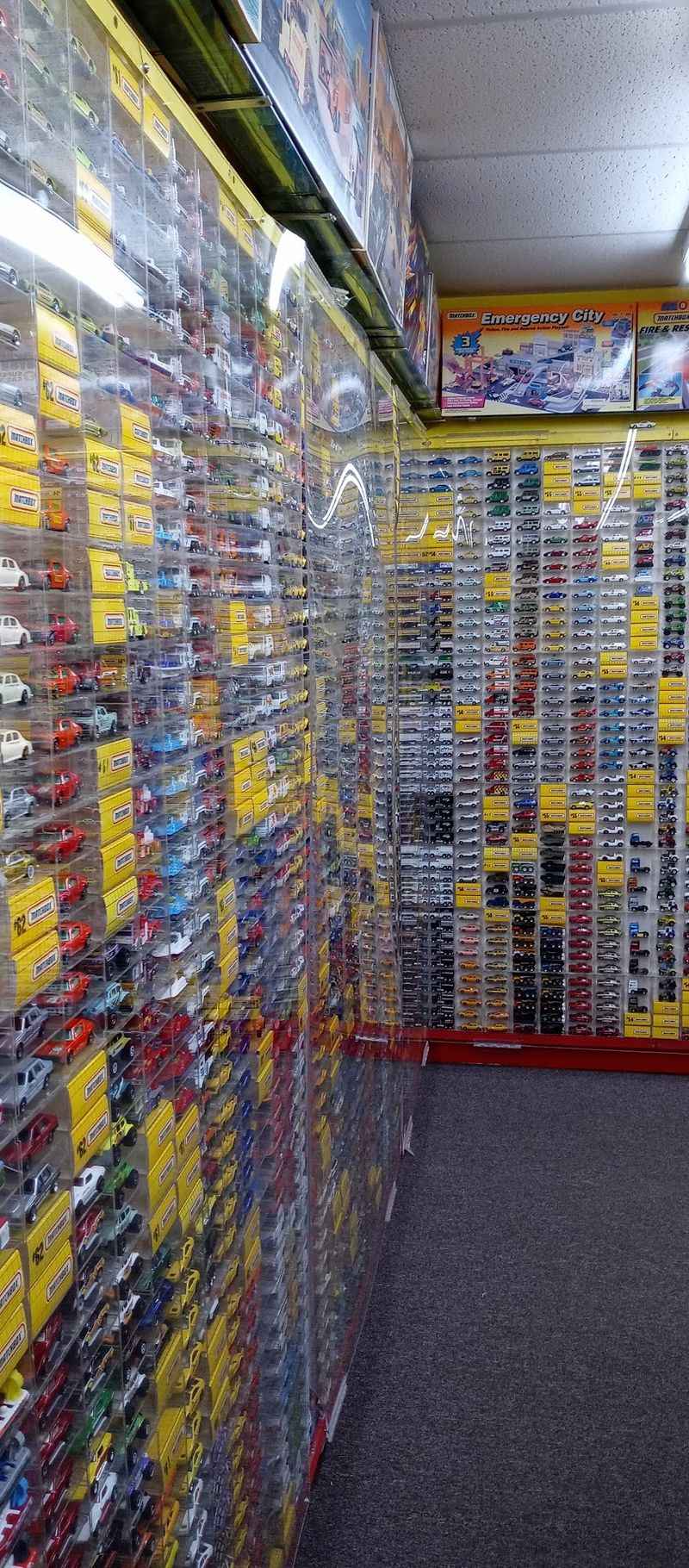
A toy car can bring back the exact shade of your childhood bedroom carpet. At the Matchbox Road Museum in Newfield, there are enough little cars to stir memories you did not know you kept.
Collector Everett Marshall has assembled tens of thousands of Matchbox vehicles, turning a lifelong interest into a remarkable display of miniature motoring. The appeal goes well beyond counting cars.
Look closely and you begin noticing how models changed over the decades: familiar family sedans, work trucks, emergency vehicles, and designs that seemed impossibly glamorous when they first came out of the package. This is a museum for people who enjoy finding the odd one in a row.
Rare variations and models that never made it into regular production reward a slow look, while the sheer scale of the collection wins over visitors who never considered themselves collectors. It is easy to arrive thinking you will recognize a few favorites and leave discussing the tiny differences between two nearly identical trucks.
The museum is in a small Gloucester County borough, which makes the size of the collection even more surprising. Visits are arranged in advance, so contact the museum before heading to Newfield.
Give yourself permission to ask questions once you get there. A collection this personal is more fun when you hear how it grew.
2. Insectropolis – Toms River
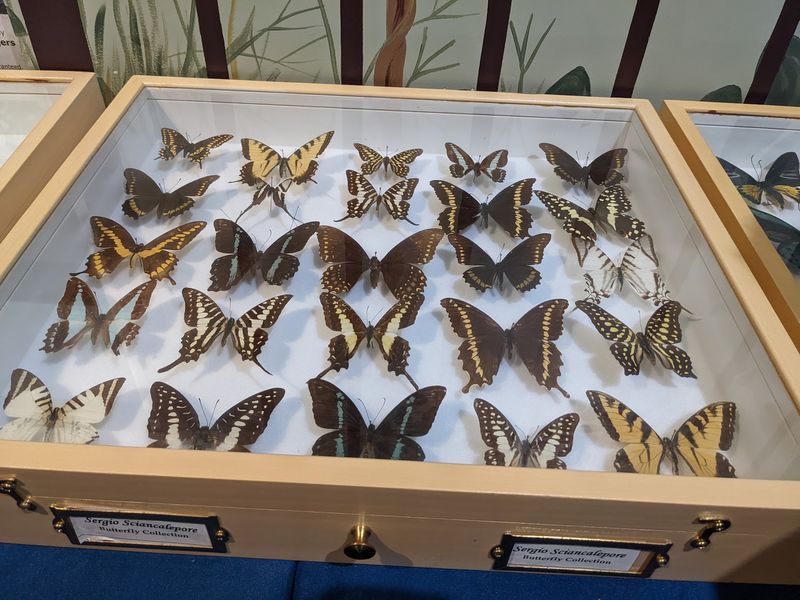
At Insectropolis, the creatures most people shoo out of the house get top billing. Toms River’s “Bugseum” makes a convincing case that insects deserve a closer look, even if you usually prefer to admire them from several feet away.
Displays introduce the strange equipment nature has given them: wings that fold, bodies built for camouflage, and social systems busy enough to make your calendar look relaxed. The museum’s playful setup helps.
Rather than lining up specimens and expecting visitors to do all the work, it presents the insect world through colorful exhibits and live creatures. Kids can move from curiosity to close inspection without feeling as though they have wandered into a classroom.
Adults often follow the same path, especially when a guide starts explaining what a particular bug can do. A touch presentation, when offered, lets willing visitors meet some residents at closer range.
Nobody needs to pretend to be fearless; a little hesitation is part of the fun. Insectropolis sits along Route 9, making it an easy stop during an Ocean County outing.
Check the current schedule if a presentation is the main reason for your visit, since the live encounters are the part you will want to catch. Leave time to revisit the displays afterward.
Once you have met an insect up close, its neighbors in the exhibits tend to look a lot more interesting.
3. Warren Museum of Fluorescence – Ogdensburg
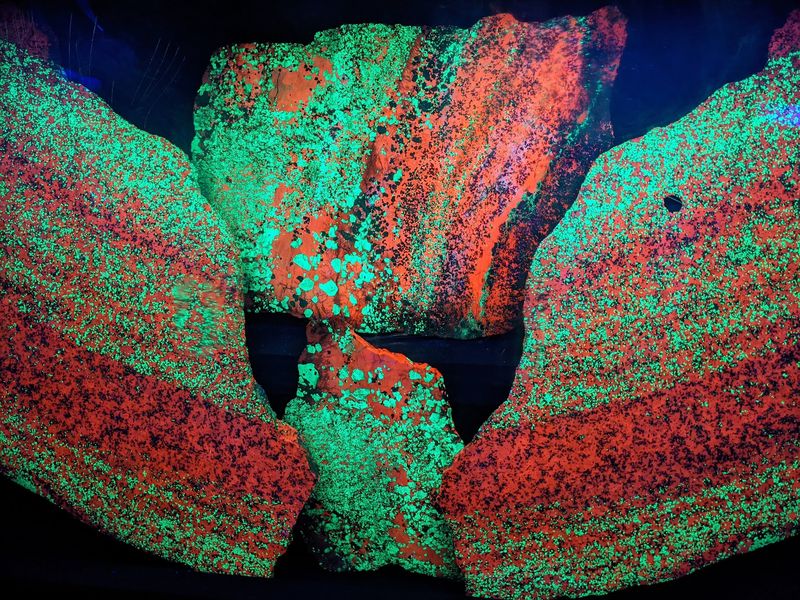
The rocks look ordinary until the lights change. Inside the Warren Museum of Fluorescence in Ogdensburg, ultraviolet light reveals mineral specimens in vivid colors, including the red and green that made this corner of Sussex County famous among collectors.
A towering display called the Color Wall gives visitors a dramatic introduction, showing what happens when different kinds of ultraviolet light strike the minerals. Even people who have never thought much about geology tend to stop talking for a moment.
The Warren Museum is part of the Sterling Hill Mining Museum, so the color has a story behind it. Sterling Hill was a zinc mine, and a visit can connect the glowing minerals to the people, equipment, and underground workings involved in bringing them to the surface.
That combination gives the display more weight than a room of beautiful specimens alone would have. You are seeing a peculiar feature of the local rock and a piece of New Jersey’s industrial past at the same time.
Plan this as a Sterling Hill visit, rather than assuming you can drop into the fluorescence museum whenever you like. Tour arrangements and schedules vary, and the mine portion calls for sensible shoes and a layer for the cooler underground air.
The colorful room may be what gets you through the door, but understanding where those minerals came from makes it linger in your mind.
4. The Paranormal Museum – Asbury Park
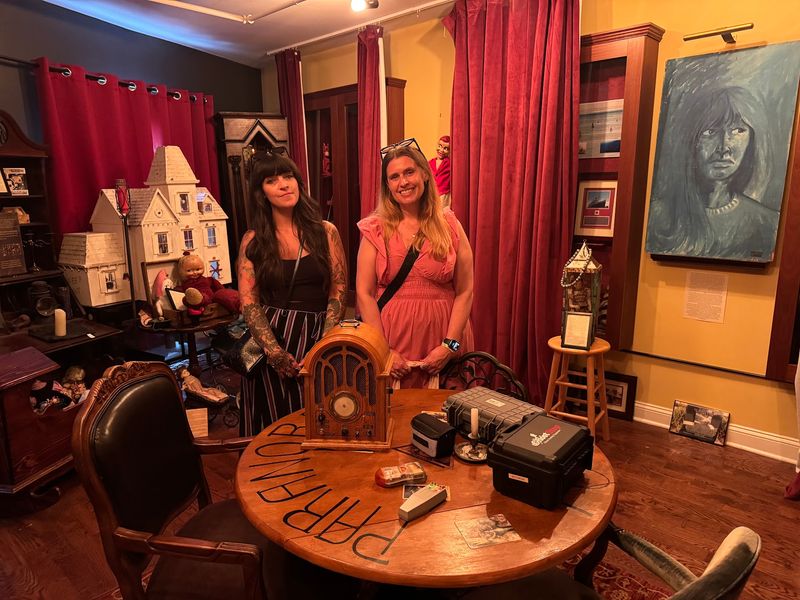
A doll behind glass feels different when the person showing it to you knows the story attached to it. That is the particular pull of The Paranormal Museum in downtown Asbury Park.
Its collection gathers objects associated with ghost stories, strange experiences, and beliefs about the unexplained. Some are the sort of things you would expect, such as Ouija boards.
Others look disarmingly ordinary until a guide begins talking. The museum grew alongside Paranormal Books & Curiosities, and that pairing suits it: one part collection, one part invitation to listen closely.
A guided tour brings the objects into focus and gives visitors a chance to ask questions. You do not have to believe every account to enjoy it.
The pleasure lies in hearing how people make sense of unsettling experiences and why certain possessions acquire a reputation that outlasts their owners. Its Cookman Avenue location also makes this an easy addition to an Asbury Park afternoon.
Browse downtown, take the tour, then walk toward the boardwalk with a few new stories to discuss. Book a museum tour ahead of time rather than assuming you can walk straight in, particularly on a busy weekend.
The collection is compact, and the storytelling is the reason to go; hearing it properly is better than peering past someone else’s shoulder.
5. Radio Technology Museum – Wall Township
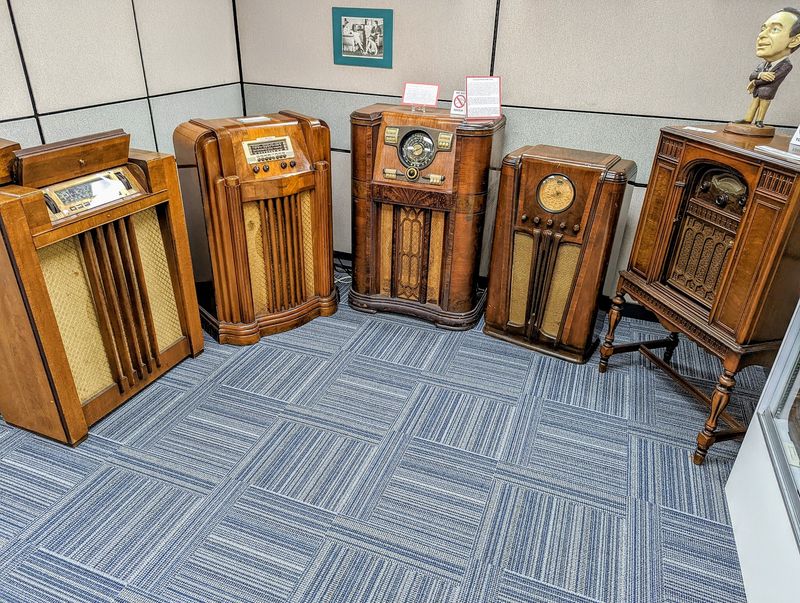
Turn a dial, hear a voice emerge through static, and suddenly the history of communication feels less like a timeline and more like a small miracle. The Radio Technology Museum in Wall Township gives old equipment the attention it deserves.
Located at the InfoAge campus, it explores radio and related technologies through collections maintained by people who know how these devices work—and why getting a signal once felt thrilling. Expect the pleasure of recognizable objects as well as unfamiliar ones.
Radios that once occupied pride of place in a living room sit alongside equipment built for other kinds of communication. The displays make room for the practical questions: how did a signal travel, what could people hear, and how did the machinery change over time?
Visitors who remember tuning a radio by hand will find plenty to recognize. Younger visitors may be more surprised that so much effort went into doing things a phone now handles without ceremony.
InfoAge occupies the former Camp Evans site, where communication technology is closely tied to the place’s history. The Radio Technology Museum is one of several focused museums on the campus, so set aside more than a few minutes if you want to explore.
Check InfoAge’s visiting hours before you go, and talk with a volunteer if one is available. A demonstration can make a cabinet full of knobs far more memorable.
6. Museum of American Glass – Millville
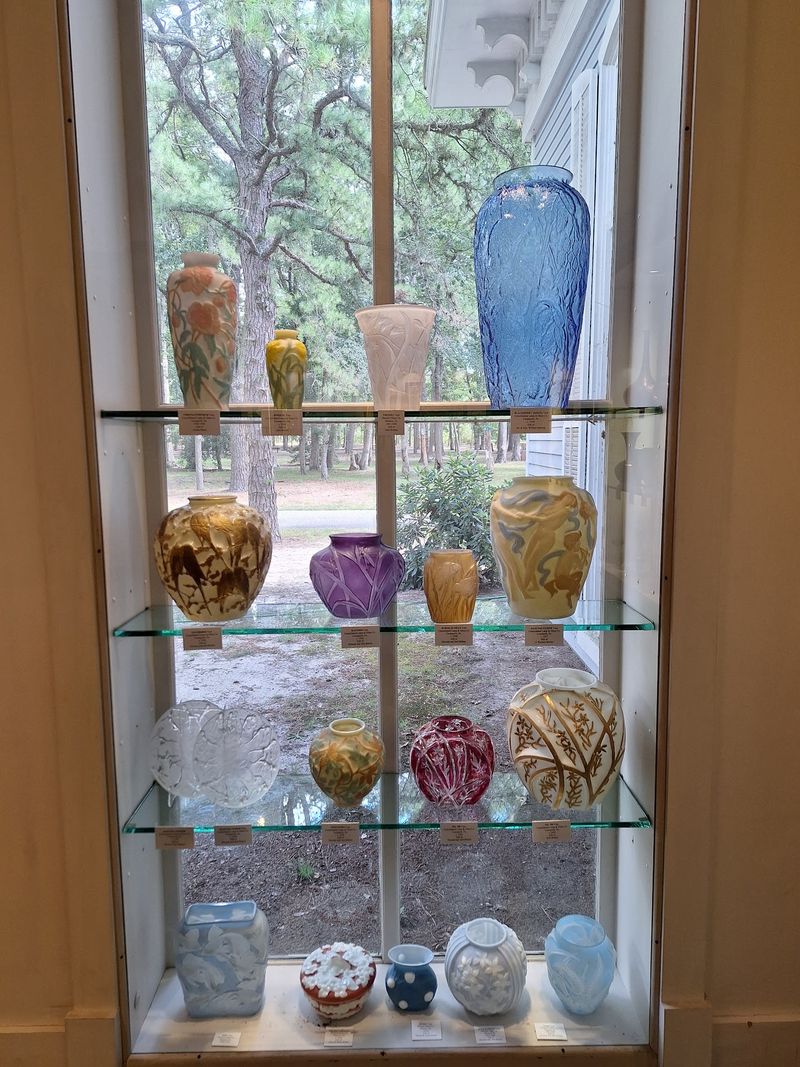
Glass has an unfair talent for making difficult work look effortless. At the Museum of American Glass in Millville, you can appreciate the finished pieces and then start wondering how anyone persuaded molten material to take those shapes.
The museum is the centerpiece of WheatonArts, a fitting home in a part of South Jersey with deep glassmaking roots. Its collection ranges across styles and eras, giving visitors a chance to see glass as a useful household material and an artistic medium.
A slow visit pays off here. Color is the first thing to catch your eye, but shapes, textures, and tiny signs of the maker’s hand keep you moving between cases.
Pieces made for daily use can be every bit as absorbing as work intended for display. Once you have explored the museum, the glass studios elsewhere at WheatonArts help put the skill into perspective.
Watching makers work makes those delicate curves and clean edges look much less inevitable. WheatonArts is a place to wander, with studios and other attractions on the grounds, so leave time beyond the museum itself.
Its public schedule is seasonal and limited to certain days, making a quick check before your Millville trip sensible. This is an especially good pick for someone who claims museums full of objects are not their thing.
Glass has a way of making them lean in.
7. Silverball Retro Arcade – Asbury Park
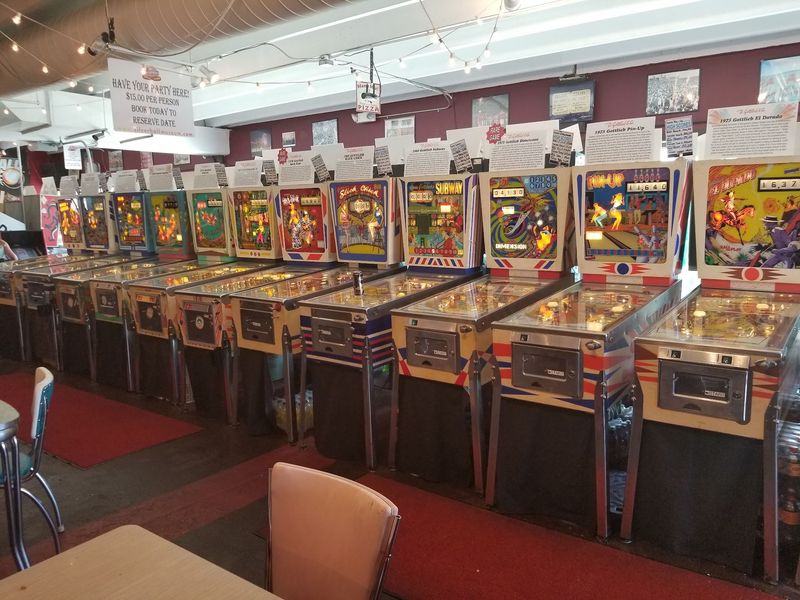
The clack of a flipper tells you what kind of museum this is before you see the first display. Silverball Retro Arcade on the Asbury Park boardwalk preserves pinball’s past by letting people play.
Rows of machines offer a hands-on tour of changing artwork, sound effects, themes, and game design. Retro arcade games join them, but pinball remains the reason many visitors walk in and lose track of time.
Part of the fun is finding a machine from your own era—or discovering how much harder an older one feels than the game you just played. Cabinets that might otherwise be admired only for their bright illustrations become much more revealing once you try to keep the ball alive.
A quick game can turn into a determined rematch, followed by a stroll down the row to inspect the next set of bumpers. The room supplies its own soundtrack: bells, electronic flourishes, and the occasional celebration when someone gets a good run.
Admission is sold by playing time, with games set to free play during your visit. Choose enough time to experiment rather than spending it all on the first familiar machine you spot.
The Ocean Avenue address makes Silverball easy to pair with a boardwalk walk or a meal nearby. Just keep an eye on the clock; this museum has an unusually effective way of making an hour disappear.
8. New Jersey Firemen’s Home Museum – Boonton
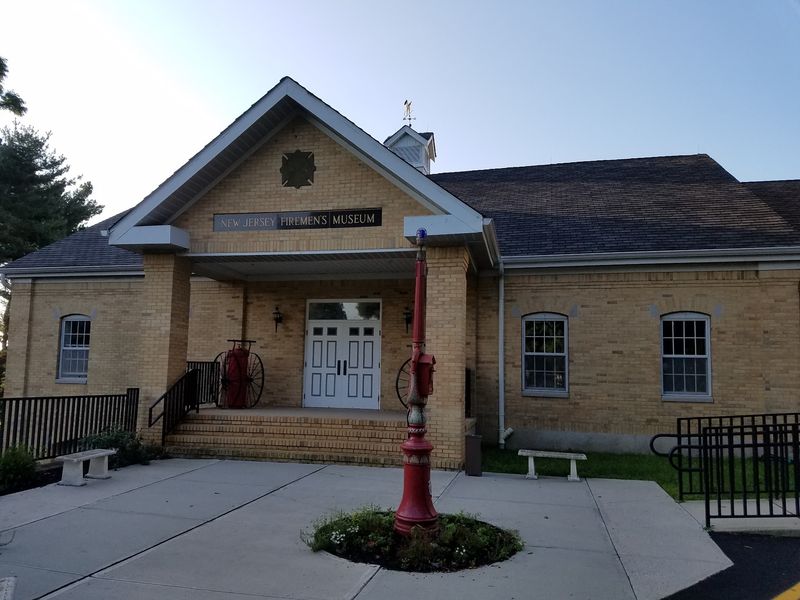
Before a fire engine became a familiar red truck, getting water and equipment to a blaze required a remarkable amount of human effort. The New Jersey Firemen’s Home Museum in Boonton traces that changing work through firefighting vehicles, tools, and keepsakes.
Its collection belongs in a state where volunteer fire companies remain a visible part of community life, and it gives visitors a chance to look closely at equipment usually seen rushing past. Older apparatus draws attention first.
Steam-powered equipment and ornate hose carts have a craftsmanship that is easy to miss if you think of them only as emergency gear. Then the smaller objects begin to fill in the picture: uniforms, badges, and memorabilia that speak to the people who trained together and answered calls.
The museum’s focus is narrow enough to make those details count. A child may arrive for the fire trucks; an adult may leave thinking about how much the job has changed.
The museum is part of the New Jersey Firemen’s Home in Boonton and lists free admission. It makes a manageable stop rather than an all-day undertaking, which suits a collection best explored without rushing from one large gallery to another.
Check visiting information before setting out and give the older equipment a second look. Each piece represents a practical answer to the same urgent question: how do we get there and help?
9. Tuckerton Seaport & Baymen’s Museum – Tuckerton
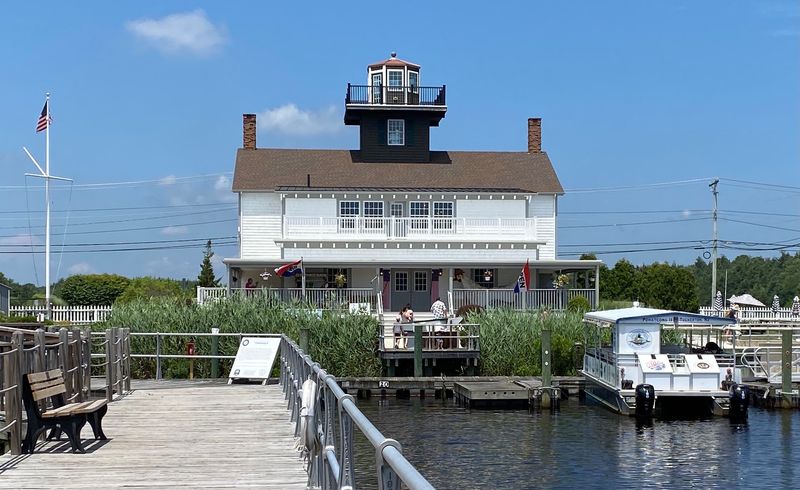
A carved wooden duck can tell you a great deal about life on Barnegat Bay. At Tuckerton Seaport & Baymen’s Museum, decoys are part of a larger story about the people who worked the water, built boats, gathered its resources, and passed their skills down.
The museum’s subject sounds highly specific until you begin to see how many parts of coastal life fit inside it. Set along Tuckerton Creek, the seaport gives those traditions room to breathe.
Exhibits and buildings introduce baymen’s work, while programs and demonstrations can bring practices such as decoy carving and boatbuilding into the present. Look at a decoy as a working object first: its shape, weight, and finish mattered to someone trying to earn a living.
The artistry becomes even more striking once you understand its purpose. The waterfront setting helps, too.
This history is easier to picture when there is water just outside. Tuckerton is a natural stop for anyone curious about the Shore beyond the beach, and the grounds invite a slower visit than a single-room museum might.
Offerings vary by date, so check what is happening before you go if you hope to see a demonstration or take a boat tour. Come ready to follow the details that catch your attention.
A small carved bird may lead you into a story that spans the whole bay.
10. Yogi Berra Museum & Learning Center – Little Falls
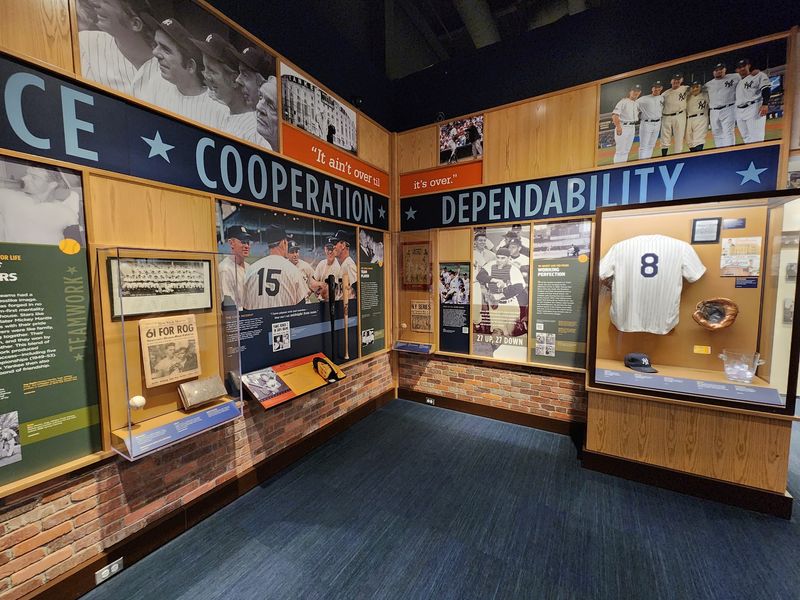
Yogi Berra’s sayings are so familiar that it is easy to forget just how extraordinary his playing career was. His museum, on the Montclair State University campus in Little Falls, brings the two sides of the man together.
Baseball fans can spend time with objects and stories from a Hall of Fame catcher’s career; visitors who came for the wit find a fuller picture of the person behind the lines everyone repeats. The ongoing collection gives Yogi’s life a place at the center, with baseball history providing plenty to examine up close.
You need not arrive knowing every World Series roster to enjoy it. His story also offers an accessible way into larger conversations about teamwork, perseverance, and how a public figure becomes part of everyday language.
The museum’s learning center builds on that appeal, making it a good stop for families with children at different levels of baseball enthusiasm. The museum is open Wednesday through Sunday, with parking available across from the building.
Allow time to read rather than treating it as a quick photo stop; the familiar name is the starting point, and the details make the visit worthwhile. If someone in your group quotes Yogi on the way in, let them.
By the time you leave, they may have a favorite story to go with the saying.
Share this story