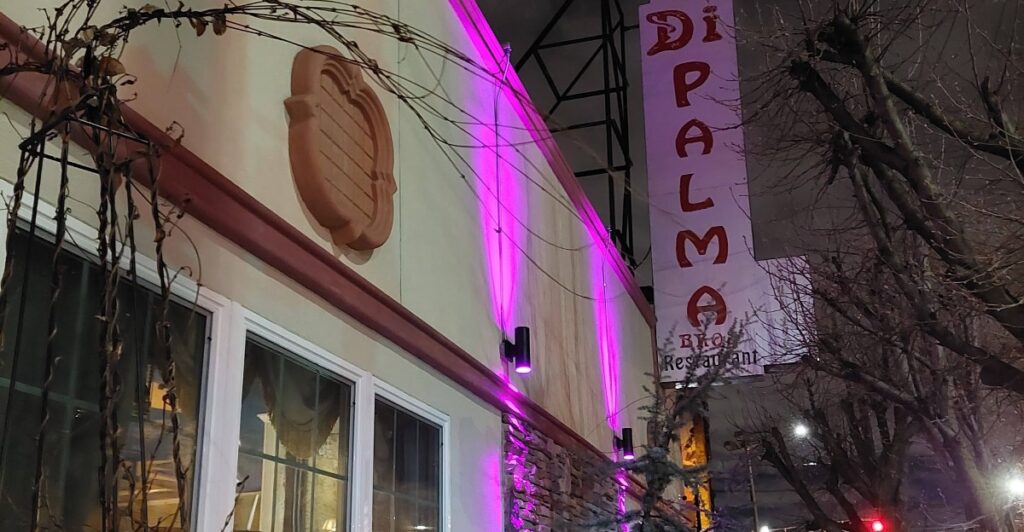
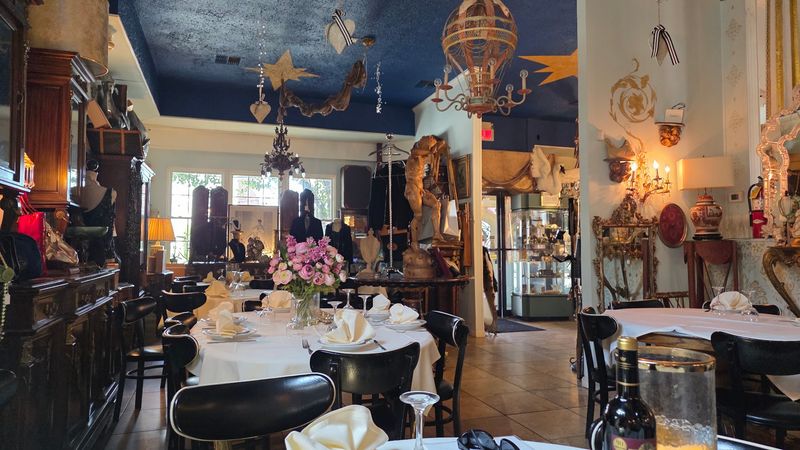
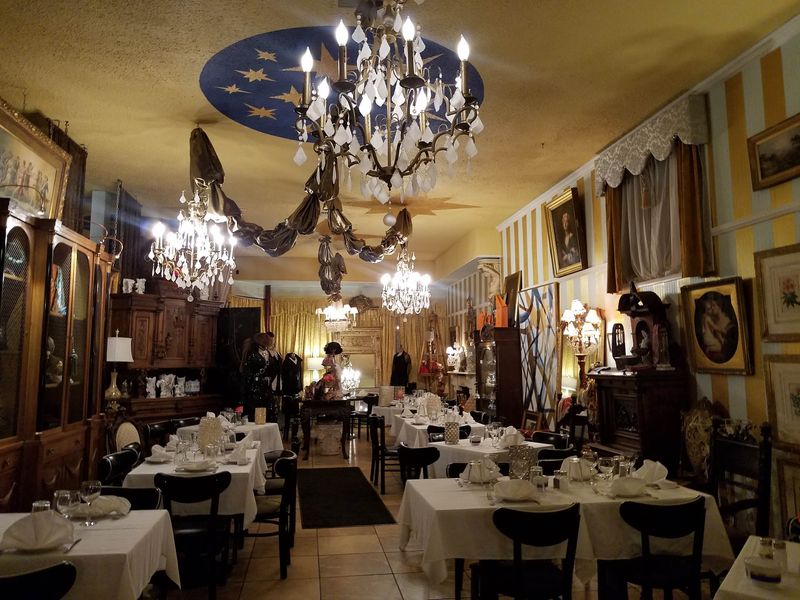
A chandelier overhead, an ornate mirror nearby, and a plate of lasagna on the table. At Di Palma Brothers in North Bergen, deciding what to eat comes with the pleasant distraction of deciding what to look at next.
The restaurant calls itself a “restaurant boutique,” which makes sense once you see the dining room. Furniture, decorative objects, and elaborate displays share space with tables set for an Italian meal.
It’s an unusual combination, but the menu gives the whole experience a familiar foundation. Meatballs, baked pasta, chicken parmigiana, and cannoli keep dinner firmly in comfort-food territory while the surroundings supply the surprises.
You can bring your own wine, settle into the room, and spend the evening discussing both dinner and that intriguing object across the aisle. For anyone who likes a restaurant with personality, this Kennedy Boulevard address offers plenty before the first course even reaches the table.
Di Palma Brothers Gives North Bergen an Unusual Italian Dining Room
The address is straightforward enough: 8728 John F. Kennedy Boulevard in North Bergen.
The experience inside takes a more unexpected turn. Di Palma Brothers combines an Italian restaurant with a boutique setting, giving dinner a backdrop that feels collected rather than coordinated.
That distinction matters. Instead of relying on one decorative theme repeated around the room, the space offers furniture, objects, and displays that compete pleasantly for your attention.
Your conversation has somewhere to go even before anyone opens a menu. Behind the unusual setting is a family connection to food that stretches well beyond this dining room.
The Di Palma family previously operated an Italian delicatessen, and its history in the food business extends back more than a century. The restaurant’s emphasis on family recipes and its great-grandmother’s cooking gives that background a place at the table.
It also explains why the food feels like a sensible partner for the surroundings. A room filled with objects from another era practically invites a meal built around dishes people recognize.
For someone choosing a dinner spot, the appeal is easy to understand: you get the curiosity of an unusual interior without needing an adventurous appetite. A friend who enjoys browsing shops and another who simply wants an Italian dinner can find common ground here.
There’s also something refreshing about a restaurant with such a specific identity. You don’t have to piece together what makes it different from a dozen other places serving pasta nearby.
The boutique setting establishes that immediately, while the family food tradition gives you a reason to pay attention to the kitchen. Both parts belong to the experience.
The room may start the conversation, but dinner still has its own role to play.
Chandeliers and Antique Finds Surround You at Every Table
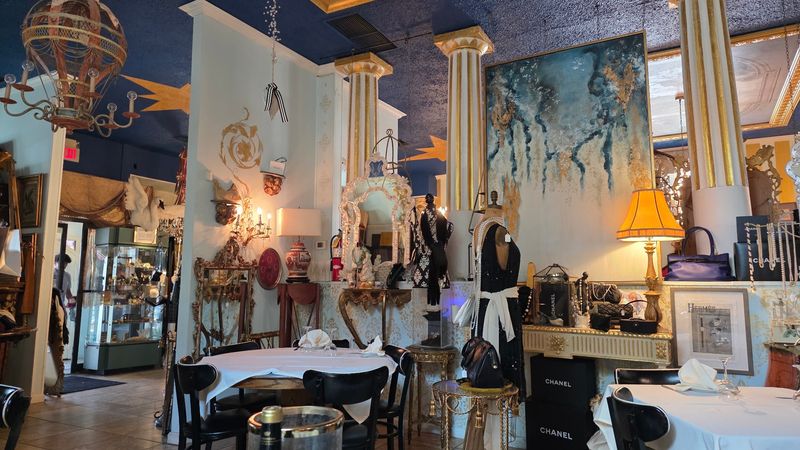
Look above the tables and the chandeliers make an impression. Look around them and there’s more to investigate: ornate mirrors, wooden furniture, sculptures, and mannequins appear among the restaurant’s displays.
The effect is layered and exuberant, with enough detail to make a second glance useful. This is a dining room for people who enjoy noticing things.
A mirror’s frame, the shape of a decorative figure, or the arrangement beside a table can become a small topic of conversation. You’re sharing the space with objects that have their own visual presence, rather than sitting against a background designed to disappear.
Seasonal decorating adds another dimension. Holiday displays have included Christmas trees, a decorated fireplace, and a sleigh with a reindeer figure; spring arrangements have featured rabbits and oversized carrots.
Those touches fit the room’s willingness to go big. Someone clearly understands that a dining room can have a sense of humor alongside its more formal furniture.
The table settings bring the attention back to dinner. White tablecloths, folded napkins, and wine glasses provide an orderly place to eat within all that visual activity.
It’s a useful balance: plenty happening around you, with a recognizable dinner table at the center. If you’re drawn to the antique-shop idea, leave room for curiosity without assuming every object is merchandise.
Ask about anything that catches your attention and let the staff explain what’s available. The pleasure of the setting doesn’t depend on taking something home.
Sometimes an unusual room earns its keep simply by giving everyone a shared distraction from their phones. Here, the next interesting thing may be sitting a few feet away, making it easy to keep looking up between courses.
Dinner has scenery, and it’s close enough to study.
Grandma’s Meatballs Set the Tone for a Comforting Italian Meal
Some appetizer names tell you exactly what kind of dinner lies ahead. Grandma’s Meatballs is one of them.
Listed at $18 and described as a family recipe, the dish fits the restaurant’s emphasis on food passed down through generations. It’s a sensible starting point if you want your first order to connect directly with that story.
There’s no need to turn the appetizer course into a full committee meeting, though. Decide whether the table wants something familiar, something vegetable-based, or a little variety, and order accordingly.
The menu also includes eggplant balls and rice balls, offering alternatives that keep the opening course within the same Italian comfort-food territory. Those choices make it possible to assemble a shared start without everyone ordering the same thing.
For two diners, one appetizer leaves more room for an entrée and dessert. A larger table can choose a couple of different plates and let the first course become part of the conversation.
That’s particularly useful when you’re eating with someone whose idea of a perfect meal differs from yours. You can agree on a starter without negotiating every bite of the evening.
Meatballs also offer a good way into a restaurant that looks this unusual. While your eyes are still adjusting to the objects around the room, the order itself is reassuringly direct.
You know what you’re choosing, and you can save your questions for the décor. The smartest approach is to think about the whole meal before committing to several starters.
If baked pasta is already calling your name, give it some space. If your group prefers a longer dinner with several things to try, spread the choices across the table.
Either way, the first course can establish an easy pace instead of exhausting everyone’s appetite before dinner properly begins.
Neapolitan Lasagna and Chicken Parmigiana Keep Things Deliciously Familiar
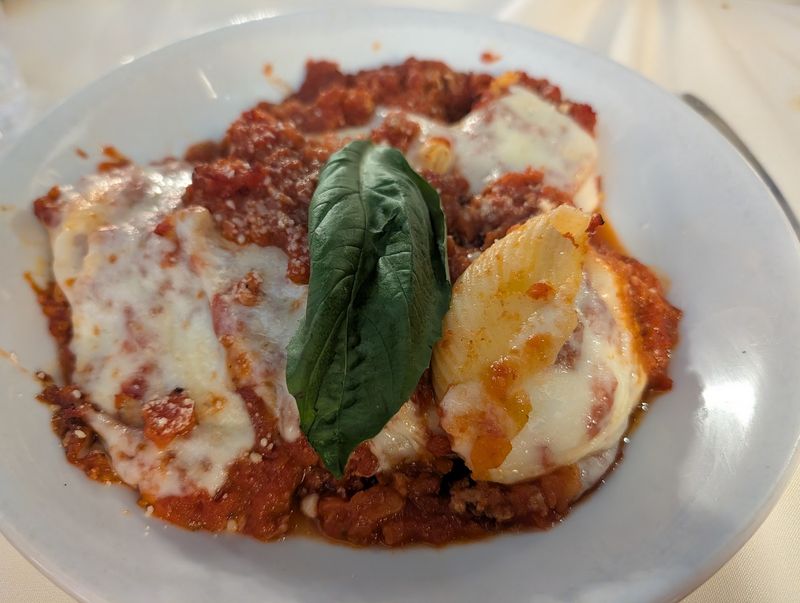
The dining room might prompt a double take, but the entrée list is easy to navigate. Homemade Neapolitan Lasagna is $24, while Chicken Parmigiana is $31.
Those are useful reference points for both your appetite and your budget. They also make clear that the restaurant’s visual personality comes with an equally recognizable approach to dinner.
Lasagna suits the diner who likes a meal built around layers and a single fork-friendly centerpiece. Chicken parmigiana is the obvious contender when the craving is specifically for chicken, tomato sauce, and melted cheese.
There’s no obligation to make your order as unusual as the room. Sometimes choosing a familiar favorite is exactly how you find your footing in a new restaurant.
Other options broaden the decision without making the menu difficult to read. Rigatoni alla Siciliana gives pasta lovers another direction, and Spinach Fagottini offers filled crepes rather than a conventional bowl of pasta.
If you’re uncertain about a dish, ask what comes with it and how it’s prepared before ordering. A few practical questions are more useful than trying to predict a meal from its name alone.
For a couple, choosing different entrées can create variety across the table, provided both people are happy to exchange a taste. For a group, there’s no need to impose a shared menu if everyone arrived with a particular craving.
Let the pasta enthusiast have pasta and the chicken-parm loyalist keep their plans. The point is to enjoy a meal that suits the people eating it.
A memorable setting can get you through the door, but it shouldn’t make ordering feel like a performance. Here, you can spend your adventurous energy looking around the dining room and use the menu to arrange the kind of dinner you already know you want.
Cannoli and Tiramisu Give You a Reason to Linger
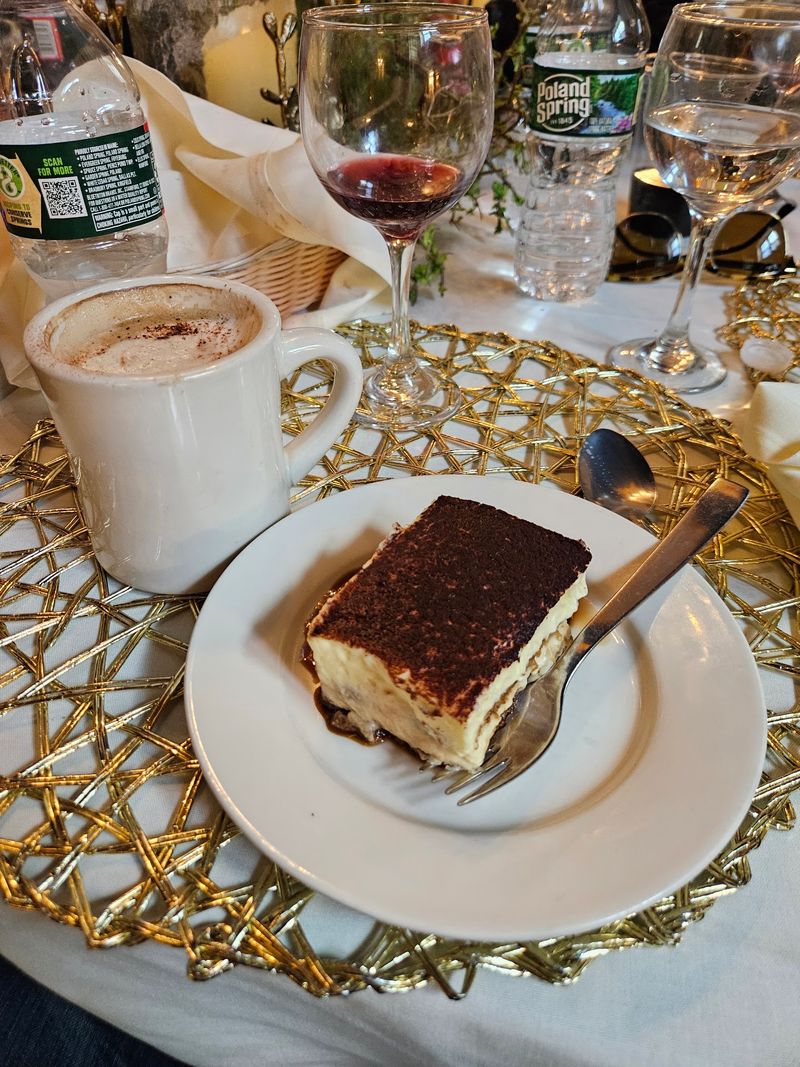
By dessert, the difficult decision may have shifted from what to order to whether you have room. Cannoli is listed at $7 and tiramisu at $11, so there’s a straightforward choice between two familiar Italian finishes.
Neither requires a lengthy explanation at the table. One suits the person who wants a smaller final treat; the other makes sense for someone who had dessert in mind from the beginning.
The rest of the selection provides a few alternate routes, including tartufo gelato, almond cake, and limoncello cake. Coffee and espresso are available too.
That gives a mixed group some flexibility: dessert for the people still hungry, coffee for those who want to stay at the table, and the possibility of sharing if appetites have started to fade. It helps to think about this course before ordering dinner rather than treating it as an unexpected extra.
If cannoli is part of your ideal Italian meal, protect a little space for it. There’s no prize for reaching the end of an entrée and discovering you’ve accidentally eliminated your favorite course.
Dessert also suits a room with so much to notice. By this point, the initial surprise of the setting has settled, and you may start picking out details you overlooked earlier.
Something beside another table or above a doorway can suddenly catch your eye. That’s a pleasant backdrop for the last part of a meal, especially when nobody is trying to turn dinner into a tightly timed event.
Sharing one dessert is a reasonable option if the table wants a sweet finish without another substantial course. Ordering separately works just as well when tastes differ.
The decision can stay small and uncomplicated. A final bite, a cup of coffee, and another look around the room give the evening a comfortable landing.
Bring Your Own Wine and Plan Ahead for Your Visit
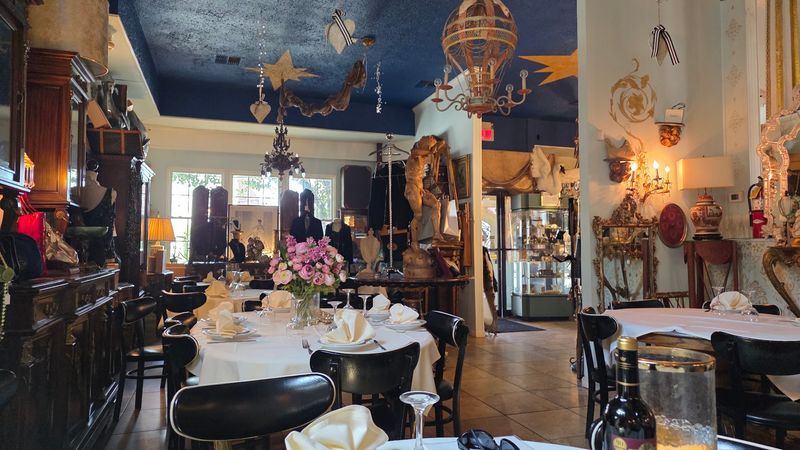
A bottle chosen before leaving home belongs on the packing list here. Di Palma Brothers is BYOB, which lets you arrange the wine portion of dinner around your own preferences.
Something you already enjoy is a perfectly sensible choice. There’s no need to turn an Italian meal into a wine exam, especially when the main goal is a relaxed evening with good company.
The schedule deserves a little attention, particularly if your usual dinner time runs late. The restaurant is closed on Mondays.
Tuesday through Friday, service begins at 5 p.m., with the last seating at 7:30 p.m. Saturday starts at 1:30 p.m. and has a last seating at 9 p.m.; Sunday also begins at 1:30 p.m., with the last seating at 7 p.m.
Those are seating times, so use them when deciding when to arrive. The weekend afternoon opening also creates an option for anyone who prefers a leisurely meal earlier in the day.
Reservations are handled by phone at 201-868-3005. The restaurant accepts reservations for parties of two to eight on a weekly basis and directs groups of ten or more toward its party menus.
If your gathering falls outside those stated sizes, a phone call will settle the arrangements more reliably than an assumption. It’s also the right moment to ask any questions about seating or access that matter to your group.
With the practical details settled, the evening can stay pleasantly simple. You arrive at a Kennedy Boulevard address with your bottle, take a seat among the displays, and decide which familiar Italian dish fits your appetite.
Outside, North Bergen carries on with its day. Inside, there’s a table set for dinner, a chandelier overhead, and plenty to talk about while the next course makes its way over.
Share this story