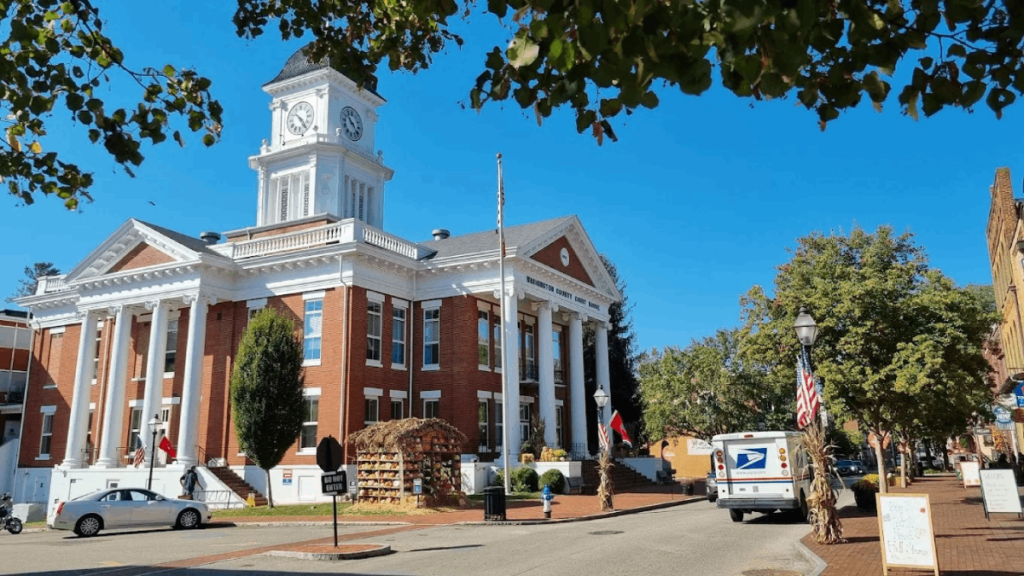
Tucked away in the rolling hills of East Tennessee sits a charming town that holds a remarkable secret: Jonesborough existed before Tennessee itself became a state.
Founded in 1779, this historic gem predates Tennessee’s statehood by seventeen years. While most people know Nashville or Memphis, few realize that Jonesborough’s tree-lined streets and preserved buildings tell the story of Tennessee’s earliest days, making it a living museum of American frontier history.
Meet Jonesborough: The Tennessee Town Older Than the State Itself
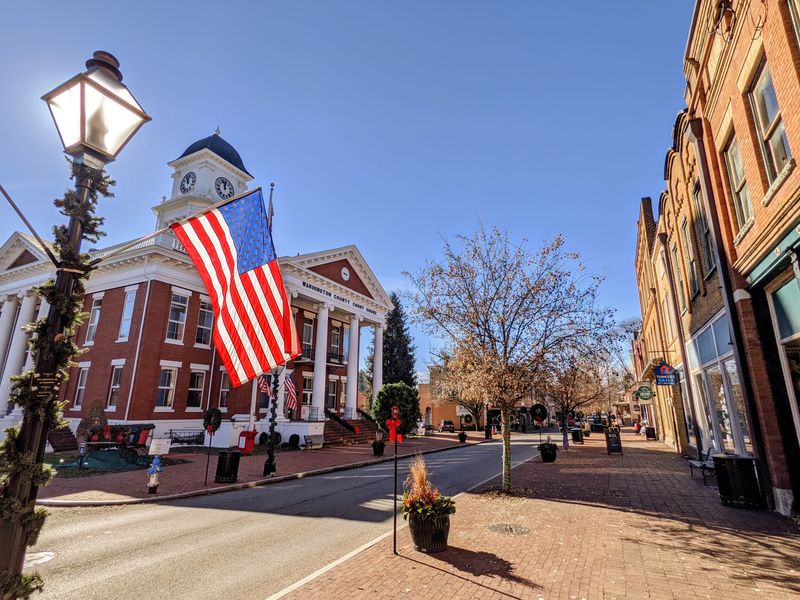
Jonesborough stands as Tennessee’s oldest town, a distinction that surprises even lifelong state residents. With a population hovering around 5,860, this Washington County seat maintains an intimate, small-town atmosphere while carrying centuries of American history on its shoulders. The town’s founding in 1779 places it firmly in the Revolutionary War era, when Tennessee was still part of North Carolina’s western frontier.
Walking through Jonesborough feels like stepping backward through time. The downtown district showcases buildings that have witnessed the birth of a state and the growth of a nation. Unlike many historic towns that have sacrificed authenticity for modernization, Jonesborough has carefully preserved its architectural heritage.
Located in the Tri-Cities region near Johnson City, Jonesborough offers visitors a rare glimpse into frontier life. The town’s commitment to maintaining its historical character has created a destination where history isn’t just remembered—it’s experienced daily through its buildings, traditions, and community spirit.
Founded Before Tennessee: A Look at Jonesborough’s Origins
When settlers established Jonesborough in 1779, they couldn’t have imagined they were creating Tennessee’s first permanent town. Named after North Carolina legislator Willie Jones, the settlement emerged during a tumultuous period when the American colonies were fighting for independence. These early pioneers carved out a community in what was then considered the wild western frontier of North Carolina.
The town’s location wasn’t random—it sat along important Native American trading paths and offered fertile land for farming. Early residents built log cabins, established trading posts, and created the infrastructure necessary for frontier survival. Within months, Jonesborough became a hub for settlers pushing westward into unexplored territories.
By the time Tennessee achieved statehood in 1796, Jonesborough had already established itself as a thriving community with churches, schools, and businesses. This seventeen-year head start gave the town a maturity and sophistication that newer settlements lacked, setting the foundation for its enduring historical significance.
Why Jonesborough Is Considered the Oldest Town in Tennessee
Historical records definitively establish Jonesborough’s claim as Tennessee’s oldest town through documented evidence dating back to December 1779. The North Carolina General Assembly officially established the town that year, creating a legal municipality with defined boundaries and governance structures. This official recognition distinguishes Jonesborough from earlier settlements that lacked formal town status.
While Native Americans inhabited the region for thousands of years and some European explorers passed through earlier, Jonesborough represents the first organized, legally recognized town within present-day Tennessee borders. The distinction matters because it reflects not just habitation but the establishment of civic institutions, property rights, and community governance.
Archaeological and documentary evidence support these claims through preserved land grants, court records, and personal correspondence from the era. Historians have verified the town’s continuous existence since its founding, with no periods of abandonment or significant disruption.
Historic Downtown Jonesborough Feels Frozen in Time
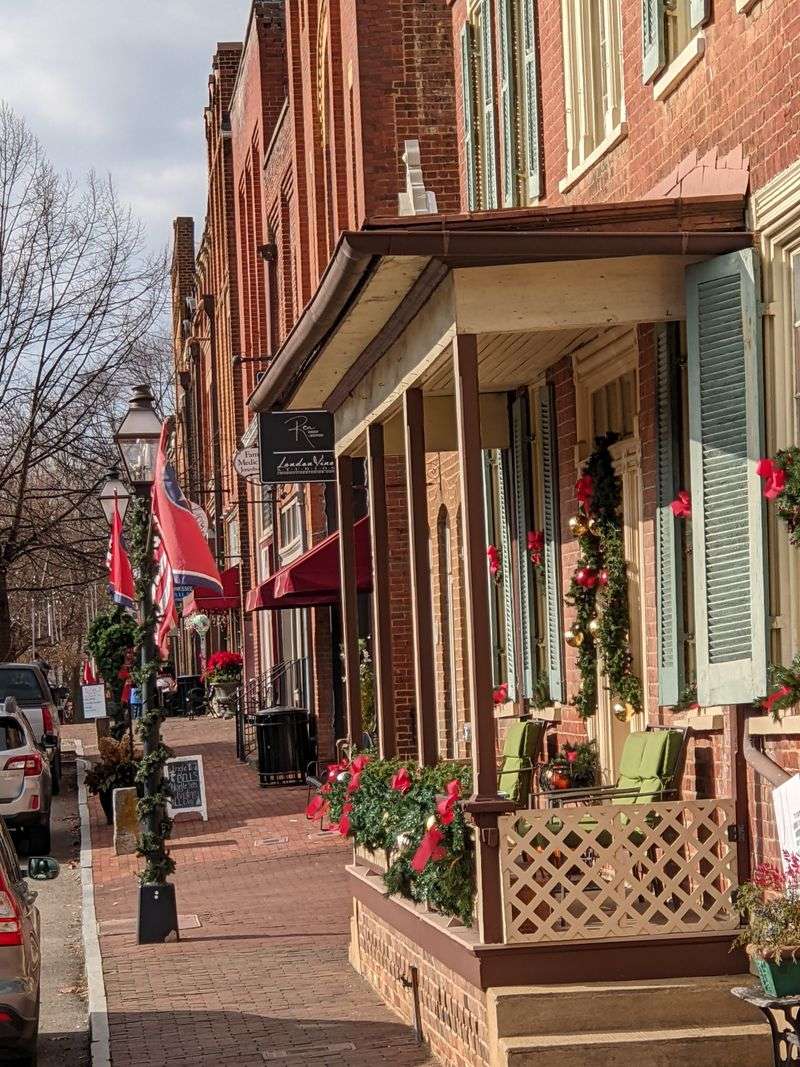
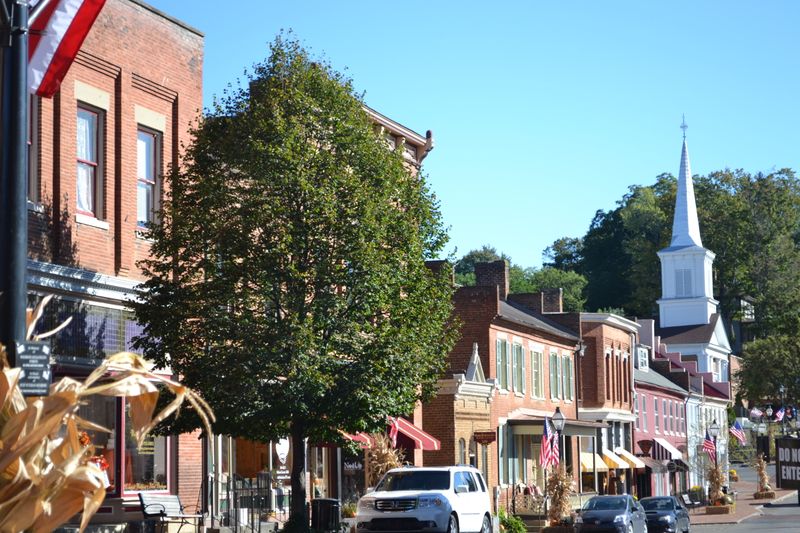
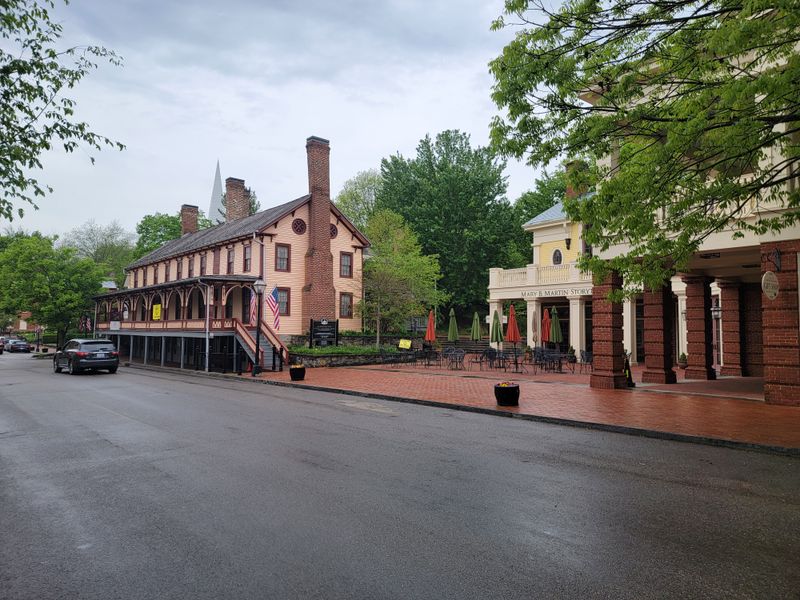
Strolling down Jonesborough’s Main Street transports visitors to another era through remarkably preserved architecture spanning two centuries. Red brick buildings with original facades line the streets, many dating to the early 1800s. These aren’t recreations or theme park replicas—they’re authentic structures that have housed generations of businesses, families, and community gatherings.
The town’s architectural preservation extends beyond mere aesthetics. Original hardware stores, former taverns, and historic homes showcase construction techniques and materials from different periods of American history. Wooden shutters, hand-laid brick, and original glass windows tell stories of craftsmanship that modern construction rarely matches.
You won’t find garish chain stores or contemporary buildings disrupting the streetscape. Local businesses operate within these historic structures, creating an authentic atmosphere where commerce and preservation coexist harmoniously, allowing visitors to experience genuine small-town Tennessee history.
The Role Jonesborough Played in Tennessee’s Early Government

Before Nashville became Tennessee’s capital, Jonesborough served as the governmental heart of the region during a critical period in American history. In 1784, settlers in the area declared independence from North Carolina and established the State of Franklin, with Jonesborough serving as its capital. Though this ambitious experiment in self-governance lasted only four years, it demonstrated the frontier spirit that would define Tennessee.
During its time as Franklin’s capital, Jonesborough hosted legislative sessions, court proceedings, and governmental functions that shaped regional policy. Leaders debated issues ranging from land rights to relations with Native American tribes, establishing precedents that would influence Tennessee’s future governance.
Even after the State of Franklin dissolved and the region rejoined North Carolina, Jonesborough remained politically significant. When Tennessee achieved statehood in 1796, Jonesborough’s experience with self-governance and its established governmental infrastructure contributed valuable lessons to the new state’s formation, proving that this small town punched far above its weight in shaping Tennessee’s political foundations.
Storytelling, Festivals, and Traditions That Keep History Alive
Every October, Jonesborough transforms into the storytelling capital of America when thousands gather for the National Storytelling Festival. Founded in 1973, this internationally recognized event draws master storytellers and eager audiences to celebrate the ancient art of oral tradition. Performers share tales ranging from Appalachian folklore to contemporary narratives, all within Jonesborough’s historic setting that seems purpose-built for such gatherings.
The festival isn’t merely entertainment—it represents Jonesborough’s commitment to preserving cultural heritage through living traditions. Storytelling connects generations, passes down community history, and keeps the past relevant for modern audiences.
Beyond the festival, Jonesborough maintains year-round storytelling events, historical reenactments, and educational programs that engage visitors with the past.
Why Jonesborough Is Still Worth Visiting Today
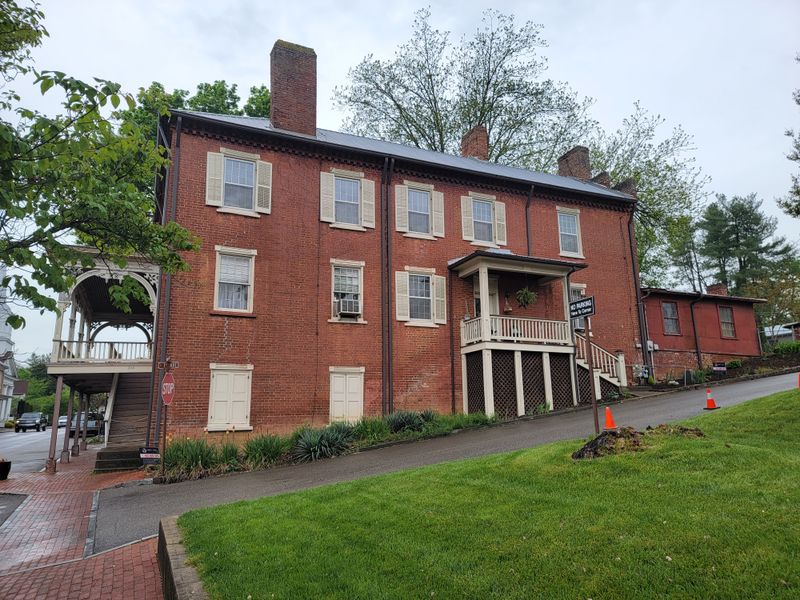
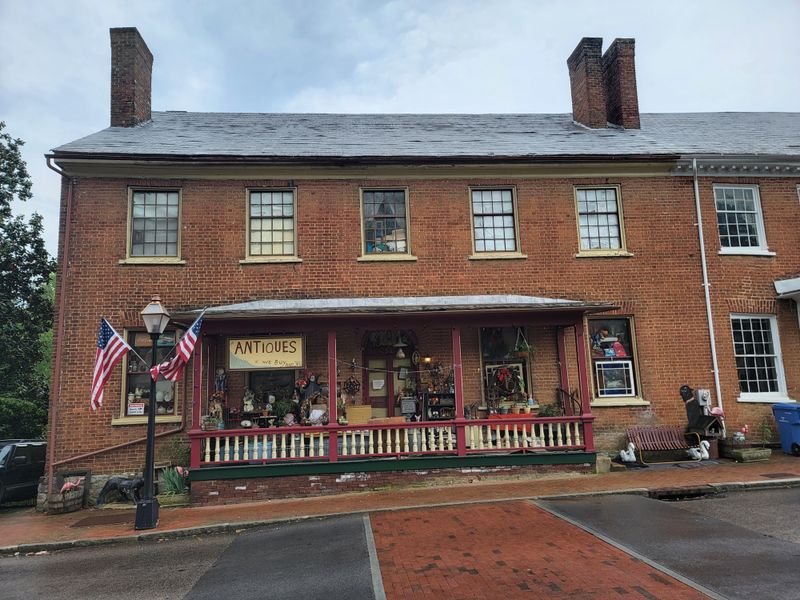
Modern travelers seeking authentic experiences find Jonesborough refreshingly genuine in an age of manufactured tourist attractions. The town offers boutique shopping in historic buildings, farm-to-table restaurants serving regional cuisine, and bed-and-breakfasts housed in centuries-old homes. These aren’t corporate franchises but locally-owned businesses that reflect the community’s character and commitment to quality.
History enthusiasts can explore multiple museums, take guided walking tours, and visit sites like the Christopher Taylor House, Tennessee’s oldest frame house. The town’s compact size makes it perfect for leisurely exploration without the exhaustion that accompanies larger tourist destinations.
Perhaps most compelling is Jonesborough’s authenticity—this isn’t a reconstructed historical village but a living community where people actually reside and work among centuries-old buildings. Visitors experience real small-town Tennessee life while enjoying modern amenities and hospitality.